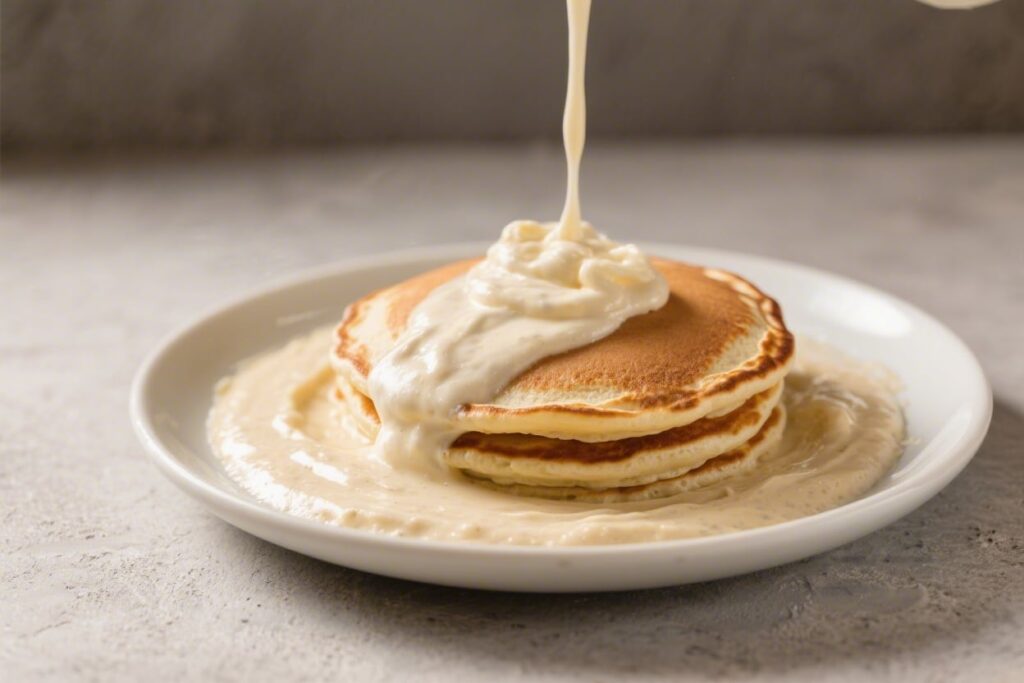
Pancakes are one of those simple pleasures that make mornings feel a little brighter. A good pancake mixture gives you soft, golden rounds with a light, tender bite and just the right hint of sweetness. This version is straightforward, dependable, and perfect for both busy weekdays and slow weekends.
Whether you’re cooking for kids or hosting brunch, this is the kind of recipe you’ll make once and remember forever. With a few tips and pantry basics, you’ll get consistent, fluffy pancakes every time.
Pancake Mixture
Ingredients
- All-purpose flour – 1 1/2 cups 180 g
- Granulated sugar – 2 tablespoons
- Baking powder – 2 teaspoons
- Baking soda – 1/4 teaspoon boosts browning and lift
- Fine salt – 1/2 teaspoon
- Milk – 1 1/4 cups 300 ml, dairy or unsweetened non-dairy
- Egg – 1 large
- Unsalted butter – 3 tablespoons melted and slightly cooled (or neutral oil)
- Vanilla extract – 1 teaspoon optional, for warmth
- Oil or butter for cooking – as needed
Instructions
- Mix the dry ingredients. In a large bowl, whisk together flour, sugar, baking powder, baking soda, and salt. Break up any flour clumps so everything blends evenly.
- Combine the wet ingredients. In a separate bowl or large measuring cup, whisk milk, egg, melted butter, and vanilla until smooth. Make sure the butter isn’t hot, or it may scramble the egg.
- Bring the batter together. Pour the wet ingredients into the dry. Use a whisk or spatula to stir just until no big streaks of flour remain. Stop when it’s slightly lumpy—overmixing makes tough pancakes.
- Rest the batter. Let it sit for 5–10 minutes. This gives the flour time to hydrate and the leaveners a head start, leading to fluffier pancakes.
- Preheat your pan. Heat a nonstick skillet or griddle over medium heat. Lightly grease with oil or butter. It’s ready when a drop of water skitters across the surface.
- Portion and cook. Scoop 1/4 cup of batter per pancake. Cook until bubbles form on top and edges look set, about 2–3 minutes. Flip gently and cook 1–2 minutes more, until golden and cooked through.
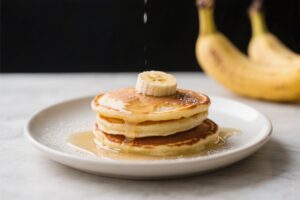
- Keep warm and serve. Move cooked pancakes to a low oven (200°F/95°C) while you finish the batch. Serve with butter, maple syrup, fresh fruit, or yogurt.
What Makes This Special
This pancake mixture is built for reliability. It uses common ingredients, comes together in minutes, and delivers a balanced flavor that works with any topping.
The batter is forgiving, so you won’t stress about exact technique. Plus, the texture is spot-on: crisp edges, fluffy center, and even browning on the griddle. It’s also easy to customize—swap the milk, add fruit, or change the sweetness without losing structure.
What You’ll Need
- All-purpose flour – 1 1/2 cups (180 g)
- Granulated sugar – 2 tablespoons
- Baking powder – 2 teaspoons
- Baking soda – 1/4 teaspoon (boosts browning and lift)
- Fine salt – 1/2 teaspoon
- Milk – 1 1/4 cups (300 ml), dairy or unsweetened non-dairy
- Egg – 1 large
- Unsalted butter – 3 tablespoons, melted and slightly cooled (or neutral oil)
- Vanilla extract – 1 teaspoon (optional, for warmth)
- Oil or butter for cooking – as needed
How to Make It
- Mix the dry ingredients. In a large bowl, whisk together flour, sugar, baking powder, baking soda, and salt. Break up any flour clumps so everything blends evenly.
- Combine the wet ingredients. In a separate bowl or large measuring cup, whisk milk, egg, melted butter, and vanilla until smooth. Make sure the butter isn’t hot, or it may scramble the egg.
- Bring the batter together. Pour the wet ingredients into the dry. Use a whisk or spatula to stir just until no big streaks of flour remain. Stop when it’s slightly lumpy—overmixing makes tough pancakes.
- Rest the batter. Let it sit for 5–10 minutes. This gives the flour time to hydrate and the leaveners a head start, leading to fluffier pancakes.
- Preheat your pan. Heat a nonstick skillet or griddle over medium heat. Lightly grease with oil or butter. It’s ready when a drop of water skitters across the surface.
- Portion and cook. Scoop 1/4 cup of batter per pancake. Cook until bubbles form on top and edges look set, about 2–3 minutes. Flip gently and cook 1–2 minutes more, until golden and cooked through.
- Keep warm and serve. Move cooked pancakes to a low oven (200°F/95°C) while you finish the batch. Serve with butter, maple syrup, fresh fruit, or yogurt.
Storage Instructions
- Leftover pancakes: Cool completely, then store in an airtight container in the fridge for up to 3 days. Reheat in the toaster or a 300°F (150°C) oven for 5–8 minutes.
- Freezing: Freeze on a tray in a single layer, then transfer to a freezer bag for up to 2 months. Reheat straight from frozen in the toaster or oven.
- Dry mix for later: Combine flour, sugar, baking powder, baking soda, and salt in a jar. Label it. To use, add milk, egg, butter, and vanilla as listed.
- Don’t store mixed batter overnight: The leaveners lose power, and the pancakes turn flat and dense.
Benefits of This Recipe
- Consistently fluffy results: The balance of baking powder and soda gives reliable lift and color.
- Pantry-friendly: No specialty ingredients, just staples most kitchens have.
- Customizable: Works with dairy-free milk, gluten-free blends, and easy mix-ins.
- Quick and kid-friendly: Minimal steps, minimal mess, and big weekend energy.
- Great for meal prep: Freezes and reheats well for stress-free mornings.
What Not to Do
- Don’t overmix the batter. A few lumps are your friend. Overmixing leads to chewy pancakes.
- Don’t cook on high heat.</-strong> Too hot and the outsides burn before the centers cook. Medium heat is your sweet spot.
- Don’t skip the rest. Resting batter for at least 5 minutes improves texture.
- Don’t press down with a spatula. It squeezes out air and makes pancakes dense.
- Don’t flip too early or too often. Wait for bubbles and set edges. Flip once for the best rise.
Variations You Can Try
- Buttermilk pancakes: Swap milk for buttermilk and reduce baking powder to 1 1/2 teaspoons. Keep baking soda at 1/4 teaspoon to balance acidity.
- Blueberry burst: Sprinkle fresh or frozen blueberries onto pancakes right after pouring the batter on the pan. Don’t mix into the bowl to avoid purple streaks.
- Chocolate chip classic: Add 1/3 cup mini chocolate chips to the batter or sprinkle on top as they cook.
- Banana-cinnamon: Mash 1 small ripe banana into the wet ingredients and add 1/2 teaspoon cinnamon.
- Gluten-free: Use a 1:1 gluten-free flour blend with xanthan gum. Let the batter rest a bit longer for better hydration.
- High-protein: Replace 1/4 cup flour with whey or plant-based protein powder. Add a splash more milk if the batter seems too thick.
- Dairy-free: Use almond, oat, or soy milk and swap butter for neutral oil or melted coconut oil.
- Lemon poppy seed: Add 1 teaspoon lemon zest and 1 tablespoon poppy seeds. Serve with lemon yogurt or honey.
FAQ
Why are my pancakes tough or rubbery?
You likely overmixed the batter or cooked on heat that was too low, causing them to dry out. Stir just until combined and keep the pan at a steady medium heat.
Also, avoid pressing them with a spatula.
How do I know when to flip?
Look for bubbles forming across the surface and edges that look set and slightly dry. The underside should be golden. Flip once and cook until the second side is lightly browned.
My pancakes are pale.
What should I change?
Turn the heat up slightly and make sure your batter includes a touch of sugar and baking soda. Both help with browning. Also, use a pan that’s properly preheated.
Can I make the batter ahead of time?
It’s best to cook right after mixing.
If you must prep, combine only the dry ingredients ahead and add the wet ingredients just before cooking. The leaveners work fast and lose power as batter sits.
What’s the ideal batter consistency?
It should be pourable but not runny—similar to heavy cream or thin yogurt. If it’s too thick, add 1–2 tablespoons of milk.
If too thin, sprinkle in a little flour.
What fat is best for the pan?
Neutral oil gives even browning and won’t burn as quickly. Butter adds flavor but can brown fast. A mix works well: oil for the pan, butter in the batter.
Can I reduce the sugar?
Yes.
Cut it to 1 tablespoon or even 1 teaspoon if you prefer. Just note that sugar aids browning and moisture, so very low sugar may produce paler pancakes.
How do I keep pancakes warm without drying them out?
Place them on a wire rack over a sheet pan in a 200°F (95°C) oven. The rack keeps steam from making them soggy, and the low heat holds them without overcooking.
Why are my pancakes raw in the middle?
The heat is likely too high, causing the exterior to brown before the center cooks.
Lower the heat slightly and make smaller pancakes to ensure even cooking.
Do I need a special pan?
No. A nonstick skillet or well-seasoned cast-iron pan works great. A griddle is nice for batches, but not required.
Wrapping Up
This pancake mixture is simple, flexible, and built for real kitchens.
With a few mindful steps—gentle mixing, a short rest, and steady heat—you’ll get fluffy, golden pancakes every time. Keep a jar of the dry mix on hand, and breakfast becomes easy and comforting whenever you want it. Top with what you love, share a stack, and enjoy the kind of morning that feels unhurried and good.