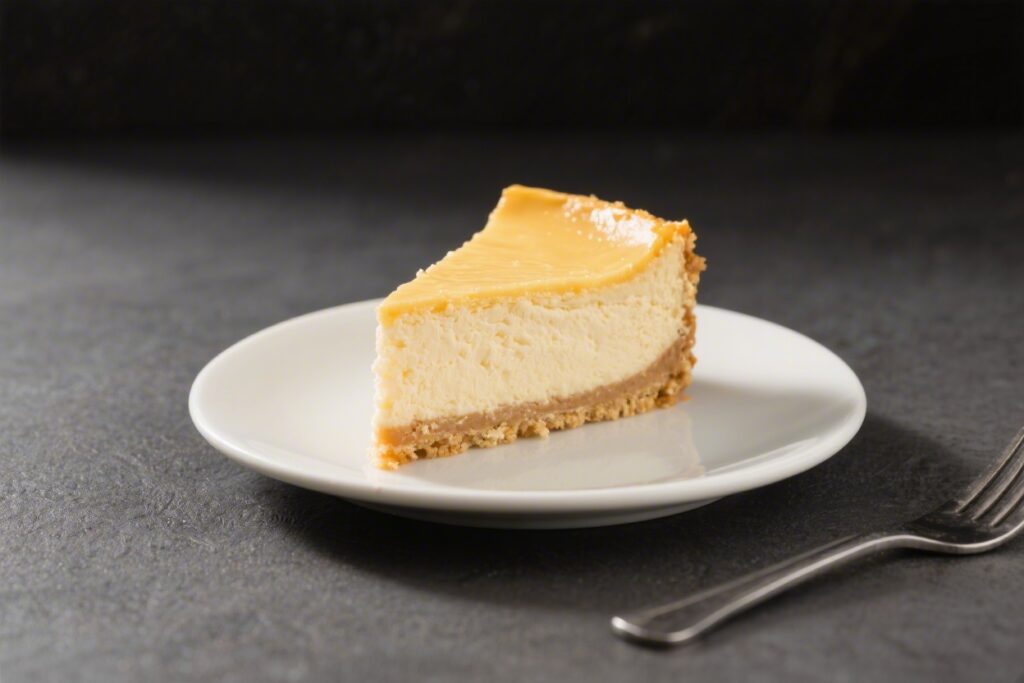
This classic vanilla baked cheesecake is the kind of dessert that never goes out of style. It’s creamy, rich, and smooth, with a hint of vanilla and a buttery cookie crust. You don’t need fancy skills—just a few key steps and some patience while it bakes and cools.
The best part is how versatile it is: serve it plain, with fresh berries, or a drizzle of caramel. If you’ve ever wanted a reliable, crowd-pleasing cheesecake, this is the one.
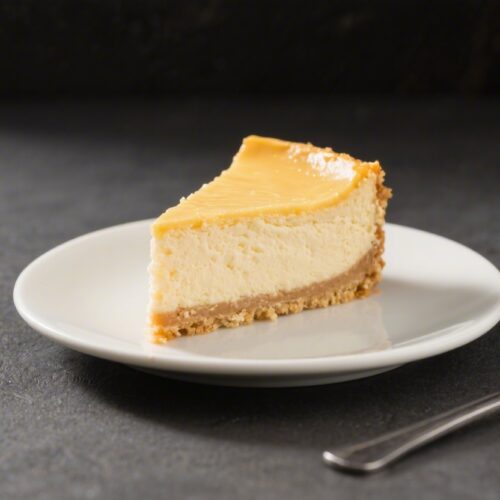
Classic Vanilla Baked Cheesecake
Ingredients
For the crust:
- 1 1/2 cups 150 g graham cracker crumbs or digestive biscuit crumbs
- 2 tablespoons granulated sugar
- 6 tablespoons 85 g unsalted butter, melted
- Pinch of salt
For the filling:
- 32 oz 900 g full-fat cream cheese, softened to room temperature
- 1 cup 200 g granulated sugar
- 1 cup 240 g sour cream, room temperature
- 4 large eggs room temperature
- 2 teaspoons pure vanilla extract
- 1 tablespoon fresh lemon juice optional, for brightness
- 1/4 teaspoon fine salt
Optional for serving:
- Fresh berries
- Cherry or strawberry compote
- Caramel or chocolate sauce
- Lightly sweetened whipped cream
Tools:
- 9- inch 23 cm springform pan
- Heavy-duty aluminum foil
- Large roasting pan for water bath optional but recommended
- Electric mixer stand or hand
- Rubber spatula
Instructions
- Prep the pan. Set the oven to 350°F (175°C). Line the bottom of your springform pan with parchment.
- Wrap the outside of the pan with two layers of heavy-duty foil to keep water out if using a water bath.
- Make the crust. Combine the crumbs, sugar, salt, and melted butter until the mixture feels like wet sand. Press it firmly into the bottom of the pan, using the bottom of a glass to compact it evenly.
- Par-bake the crust. Bake for 9–10 minutes until fragrant and lightly set. Let it cool slightly while you prepare the filling.
- Reduce the oven to 325°F (160°C).
- Beat the cream cheese. In a large bowl, beat the cream cheese on medium speed for 2–3 minutes until completely smooth and free of lumps. Scrape the bowl often to avoid pockets of unmixed cheese.
- Add sugar and salt. Mix in the sugar and salt until blended and silky, about 1–2 minutes. Avoid whipping too much air into the batter.
- Add sour cream, vanilla, and lemon juice. Beat on low just until combined.
- The batter should be glossy and thick.
- Add the eggs last. Add eggs one at a time on low speed, mixing just until each disappears. Overmixing here can cause cracks. Scrape the bowl and fold with a spatula to finish.
- Pour and smooth. Pour the batter over the crust.
- Tap the pan gently on the counter a few times to release air bubbles. Smooth the top with a spatula.
- Set up the water bath (optional but helpful). Place the foil-wrapped pan in a large roasting pan. Pour hot water into the roasting pan until it reaches halfway up the sides of the springform pan.
- This helps with even baking and minimizes cracking.
- Bake low and slow. Bake at 325°F (160°C) for 60–75 minutes. The edges should be set, and the center should still have a slight wobble, like set Jell-O. If it looks wet or sloshy, give it another 5–10 minutes.
- Cool gradually. Turn the oven off.
- Crack the door open slightly and let the cheesecake sit inside for 45–60 minutes. This gentle cool-down helps prevent cracks.
- Chill completely. Remove from the oven and water bath. Run a thin knife around the edge to loosen the sides.
- Cool to room temperature, then cover and chill for at least 6 hours, preferably overnight.
- Unmold and serve. Release the springform ring. Slide a knife under the base to remove the parchment if desired. Slice with a hot, clean knife, wiping between cuts for neat slices.
- Add toppings if you like.
What Makes This Special
This cheesecake focuses on clean, balanced flavor—no heavy add-ins, just vanilla and cream cheese doing what they do best. The texture is silky and dense without being heavy, thanks to the right mix of cream cheese, sour cream, and eggs.
A gentle bake and slow cooling help prevent cracks, so it looks as good as it tastes. It slices neatly, holds its shape, and works for any occasion, from casual dinners to celebrations.
What You’ll Need
- For the crust:
- 1 1/2 cups (150 g) graham cracker crumbs or digestive biscuit crumbs
- 2 tablespoons granulated sugar
- 6 tablespoons (85 g) unsalted butter, melted
- Pinch of salt
- For the filling:
- 32 oz (900 g) full-fat cream cheese, softened to room temperature
- 1 cup (200 g) granulated sugar
- 1 cup (240 g) sour cream, room temperature
- 4 large eggs, room temperature
- 2 teaspoons pure vanilla extract
- 1 tablespoon fresh lemon juice (optional, for brightness)
- 1/4 teaspoon fine salt
- Optional for serving:
- Fresh berries
- Cherry or strawberry compote
- Caramel or chocolate sauce
- Lightly sweetened whipped cream
- Tools:
- 9-inch (23 cm) springform pan
- Heavy-duty aluminum foil
- Large roasting pan for water bath (optional but recommended)
- Electric mixer (stand or hand)
- Rubber spatula
Step-by-Step Instructions
- Prep the pan. Set the oven to 350°F (175°C). Line the bottom of your springform pan with parchment.
Wrap the outside of the pan with two layers of heavy-duty foil to keep water out if using a water bath.
- Make the crust. Combine the crumbs, sugar, salt, and melted butter until the mixture feels like wet sand. Press it firmly into the bottom of the pan, using the bottom of a glass to compact it evenly.
- Par-bake the crust. Bake for 9–10 minutes until fragrant and lightly set. Let it cool slightly while you prepare the filling.
Reduce the oven to 325°F (160°C).
- Beat the cream cheese. In a large bowl, beat the cream cheese on medium speed for 2–3 minutes until completely smooth and free of lumps. Scrape the bowl often to avoid pockets of unmixed cheese.
- Add sugar and salt. Mix in the sugar and salt until blended and silky, about 1–2 minutes. Avoid whipping too much air into the batter.
- Add sour cream, vanilla, and lemon juice. Beat on low just until combined.
The batter should be glossy and thick.
- Add the eggs last. Add eggs one at a time on low speed, mixing just until each disappears. Overmixing here can cause cracks. Scrape the bowl and fold with a spatula to finish.
- Pour and smooth. Pour the batter over the crust.
Tap the pan gently on the counter a few times to release air bubbles. Smooth the top with a spatula.
- Set up the water bath (optional but helpful). Place the foil-wrapped pan in a large roasting pan. Pour hot water into the roasting pan until it reaches halfway up the sides of the springform pan.
This helps with even baking and minimizes cracking.
- Bake low and slow. Bake at 325°F (160°C) for 60–75 minutes. The edges should be set, and the center should still have a slight wobble, like set Jell-O. If it looks wet or sloshy, give it another 5–10 minutes.
- Cool gradually. Turn the oven off.
Crack the door open slightly and let the cheesecake sit inside for 45–60 minutes. This gentle cool-down helps prevent cracks.
- Chill completely. Remove from the oven and water bath. Run a thin knife around the edge to loosen the sides.
Cool to room temperature, then cover and chill for at least 6 hours, preferably overnight.
- Unmold and serve. Release the springform ring. Slide a knife under the base to remove the parchment if desired. Slice with a hot, clean knife, wiping between cuts for neat slices.
Add toppings if you like.
Keeping It Fresh
Cheesecake keeps well when stored properly. Cover it tightly and refrigerate for up to 5 days. For longer storage, freeze individual slices on a tray, then wrap them well and keep for up to 2 months.
Thaw in the fridge overnight or at room temperature for 30–60 minutes before serving.
Health Benefits
While cheesecake is a treat, you can still make mindful choices. Protein from cream cheese and eggs can help you feel satisfied with a smaller slice. Using fresh berries as a topping adds fiber and natural sweetness. If you want to lighten it up, swap part of the cream cheese with Greek yogurt or use a thinner crust, but keep in mind this will change the texture slightly.
What Not to Do
- Don’t rush the cooling. Fast temperature changes can cause cracks.
The slow oven cool-down is worth it.
- Don’t overbeat the eggs. Too much air leads to puffing and then sinking. Mix on low and stop when combined.
- Don’t skip room-temperature ingredients. Cold cream cheese clumps and makes a lumpy batter.
- Don’t overbake. A little wobble in the center is correct. It will set as it cools.
- Don’t forget the knife run. Loosening the edges after baking helps prevent surface cracks as it contracts.
Variations You Can Try
- Lemon Cheesecake: Add 1–2 teaspoons lemon zest and increase lemon juice to 2 tablespoons.
- Vanilla Bean: Use the seeds from 1 vanilla bean in addition to extract for a deeper vanilla flavor.
- Chocolate Swirl: Swirl in 1/2 cup melted, cooled dark chocolate before baking.
- Oreo Crust: Swap graham crumbs for crushed chocolate sandwich cookies; reduce added sugar in the crust.
- Salted Caramel: Drizzle caramel over the cooled cheesecake and finish with flaky sea salt.
- Berry Topping: Simmer mixed berries with a little sugar and lemon until syrupy.
Cool, then spoon over slices.
FAQ
How do I prevent cracks without a water bath?
You can still get great results by not overmixing, baking at a moderate temperature, and cooling slowly in the oven with the door cracked. Running a thin knife around the edge right after baking also helps release tension as it cools.
Why is my cheesecake grainy?
Grainy texture usually comes from overbaking or using cold cream cheese that didn’t fully smooth out. Make sure your cream cheese and eggs are room temperature, beat the cream cheese well at the start, and pull the cake when it’s set at the edges with a slight center wobble.
Can I make this ahead?
Yes.
Cheesecake is actually better the next day. Bake and chill it overnight, then serve within 3–5 days. You can also freeze it for up to 2 months.
How do I get clean slices?
Use a long, sharp knife heated under hot water.
Wipe it clean between each cut. This keeps the edges neat and prevents crumbs from dragging through the filling.
Can I skip the sour cream?
You can replace it with full-fat Greek yogurt for a tangy note, but the texture will be slightly lighter. For the classic dense, creamy finish, sour cream is best.
What pan size can I use?
A 9-inch springform pan is ideal.
An 8-inch will take longer and bake taller; a 10-inch will bake faster and be shorter. Adjust time and watch for the same visual cues rather than the clock.
Do I need to use foil if I’m not doing a water bath?
No. The foil is only for keeping water out.
If you skip the bath, place the pan on the middle rack and consider a separate tray of hot water on a lower rack to add gentle steam.
Final Thoughts
Classic vanilla baked cheesecake is all about simple technique and patience. With room-temperature ingredients, a gentle bake, and a slow cool, you’ll get a smooth, crack-free result that tastes like a bakery favorite. Keep it plain or dress it up—either way, it’s a timeless dessert that always delivers.
Once you master this base recipe, the variations are endless and always welcome at the table.