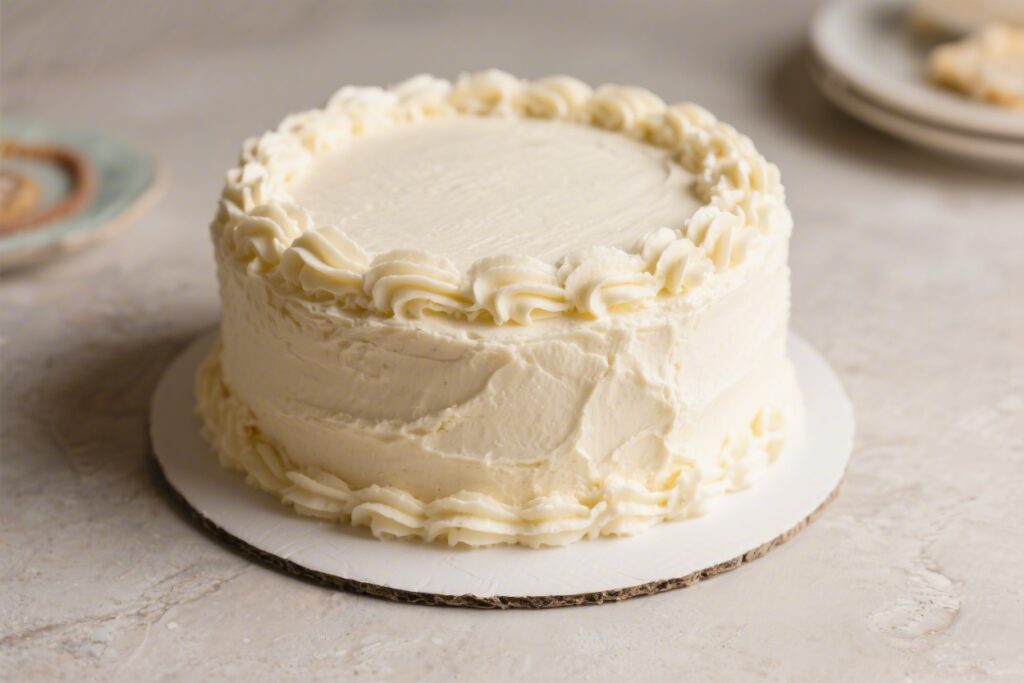
Vanilla cake is the kind of dessert that makes people smile before the first slice is even cut. It’s familiar, warm, and full of happy memories. This version is soft and fluffy, with a fine crumb and a rich vanilla flavor that actually tastes like vanilla.
The buttercream is smooth, creamy, and sweet without being cloying. Whether you’re baking for a birthday, a party, or just because, this cake delivers that classic, crowd-pleasing magic.
What Makes This Special
- True vanilla flavor: Uses both vanilla extract and a touch of real vanilla bean or paste for depth.
- Moist, tender crumb: Buttermilk and a bit of oil keep the cake soft for days.
- Reliable rise: Proper creaming and room-temperature ingredients give you even layers.
- Not-too-sweet buttercream: Balanced with a pinch of salt and a splash of cream for silky texture.
- Flexible format: Bake as two 8-inch rounds, a 9×13 sheet, or cupcakes.
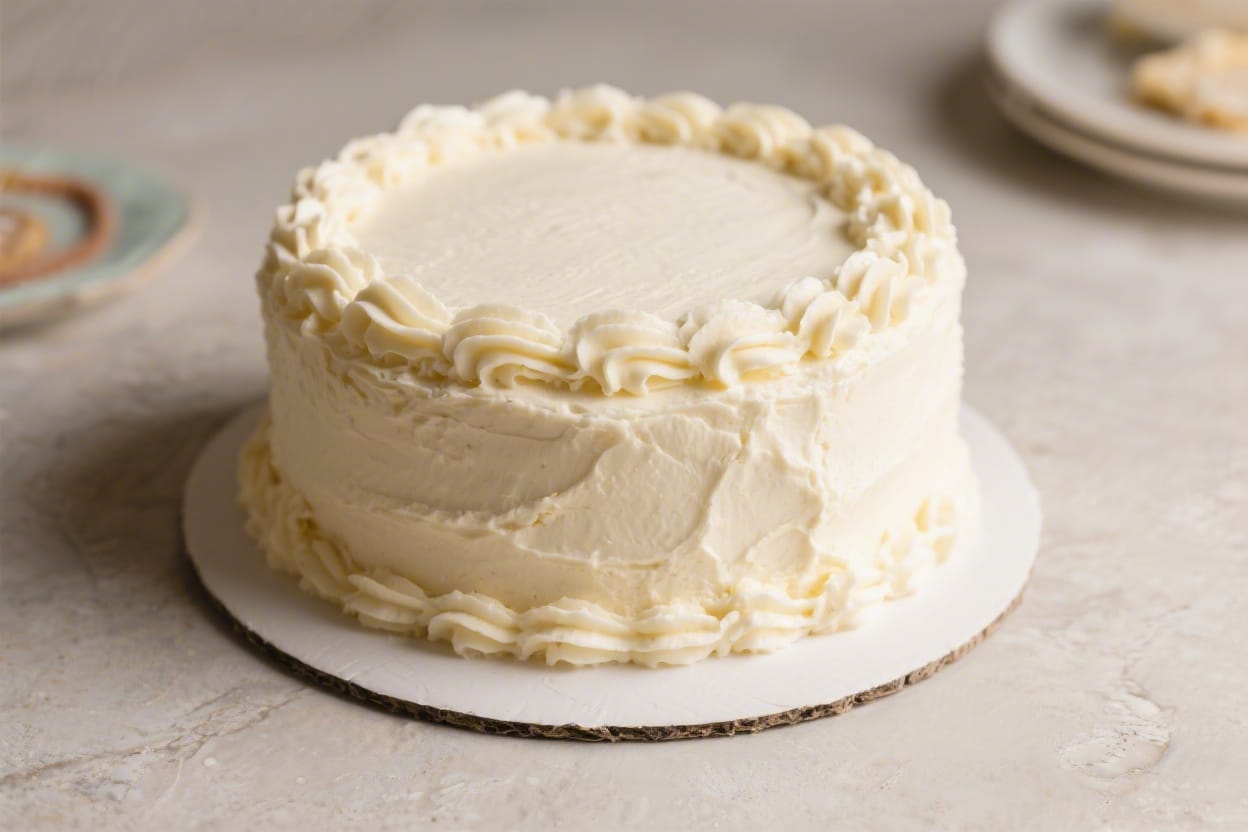
Classic Vanilla Birthday Cake with Buttercream
Ingredients
For the Vanilla Cake
- 2 3/4 cups (345 g) cake flour, spooned and leveled
- 2 1/2 tsp baking powder
- 1/2 tsp baking soda
- 3/4 tsp fine salt
- 1 3/4 cups (350 g) granulated sugar
- 1/2 cup (115 g) unsalted butter, softened to room temperature
- 1/3 cup (70 g) neutral oil (canola or vegetable)
- 4 large eggs, at room temperature
- 1 tbsp pure vanilla extract
- 1 tsp vanilla bean paste (optional but lovely)
- 1 cup (240 ml) buttermilk, at room temperature
For the Vanilla Buttercream
- 1 cup (230 g) unsalted butter, softened to room temperature
- 3 1/2–4 cups (420–480 g) powdered sugar, sifted
- 2–4 tbsp heavy cream or whole milk
- 1 1/2 tsp pure vanilla extract
- 1/2 tsp vanilla bean paste (optional)
- 1/4 tsp fine salt, to taste
Instructions
- Prep the pans and oven: Heat oven to 350°F (177°C). Grease two 8-inch round cake pans, line the bottoms with parchment, then grease and lightly flour the sides.This helps the cakes release cleanly.
- Whisk the dry ingredients: In a medium bowl, whisk cake flour, baking powder, baking soda, and salt. Set aside.
- Cream the butter and sugar: In a large bowl or stand mixer, beat softened butter and granulated sugar on medium-high for 3 minutes, until pale and fluffy. Proper creaming is key to a light cake.
- Add oil and vanilla: Beat in the oil, vanilla extract, and vanilla paste until fully combined.The oil boosts moisture without heaviness.
- Add the eggs: Beat in eggs one at a time, mixing well after each. Scrape the bowl. The batter should look smooth and slightly thick.
- Alternate dry ingredients and buttermilk: On low speed, add the dry ingredients in three additions, alternating with the buttermilk in two additions (dry–buttermilk–dry–buttermilk–dry).Mix just until combined. Do not overmix.
- Divide and smooth: Pour batter evenly into prepared pans. Weigh the pans if you want perfectly even layers. Smooth the tops with a spatula.
- Bake: Bake for 24–28 minutes, or until the centers spring back and a toothpick comes out with a few moist crumbs.If using 9-inch pans, start checking at 20 minutes.
- Cool completely: Let cakes cool in pans for 10 minutes. Turn out onto a rack, peel off parchment, and cool fully. Slightly warm cakes will melt buttercream, so be patient.
- Make the buttercream: Beat butter on medium-high for 2 minutes until creamy and lighter in color.Add 3 1/2 cups sifted powdered sugar, vanilla, vanilla paste, salt, and 2 tbsp cream. Mix on low to combine, then beat on medium-high for 2–3 minutes until fluffy. Adjust with more sugar for thickness or more cream for silkiness. Taste and tweak the salt.
Keeping It Fresh
- Room temperature: The frosted cake keeps well, covered, at cool room temperature for up to 2 days.
- Refrigeration: If it’s warm or humid, refrigerate in a cake box or covered container. Bring to room temperature (about 1 hour) before serving for the best texture.
- Freezing layers: Wrap unfrosted layers tightly in plastic and foil.Freeze up to 2 months. Thaw in the fridge overnight, then bring to room temp before frosting.
- Freezing slices: Freeze individual slices on a sheet pan, then wrap and store in a freezer bag. Great for emergency cake cravings.
Why This is Good for You
- Joy matters: Celebrating with a homemade cake brings people together.Sharing food is a real mood booster.
- Simple ingredients: You know exactly what’s in it—no mystery stabilizers or artificial flavors.
- Portion control: A modest slice satisfies without going overboard, especially with a balanced buttercream.
- Skill-building: Baking improves patience, precision, and confidence in the kitchen.
Pitfalls to Watch Out For
- Cold ingredients: Butter, eggs, and buttermilk should be at room temp. Cold ingredients cause curdling and dense layers.
- Overmixing: Mix just until combined after adding flour. Overmixing develops gluten and toughens the cake.
- Underbaking: A wet center will sink.Look for slightly golden edges and a springy top.
- Too much powdered sugar: Overloading the buttercream makes it cloying. Balance with a pinch of salt and a splash of cream.
- Skipping the crumb coat: This quick step gives you a clean, professional finish.
Variations You Can Try
- Funfetti: Fold 1/2 cup rainbow jimmies into the batter just before baking. Use jimmies, not nonpareils, to prevent bleeding.
- Lemon-vanilla: Add 1 tbsp lemon zest and swap 2 tbsp buttermilk for fresh lemon juice.Pair with lemony buttercream.
- Strawberry filling: Add a thin layer of strawberry jam or macerated fresh berries between the cake layers.
- Chocolate buttercream: Beat in 1/2 cup unsweetened cocoa powder and 1–2 tbsp extra cream for a classic combo.
- Sheet cake: Bake in a 9×13 pan for 28–34 minutes. Frost right in the pan for easy transport.
- Cupcakes: Bake 20–24 standard cupcakes at 350°F for 16–19 minutes. Pipe tall swirls of buttercream.
FAQ
Can I use all-purpose flour instead of cake flour?
Yes.
For each cup of cake flour, use 1 cup minus 2 tablespoons of all-purpose flour, plus 2 tablespoons of cornstarch. Sift well. The crumb will be slightly less tender but still great.
What if I don’t have buttermilk?
Make a quick substitute: add 1 tablespoon lemon juice or white vinegar to a 1-cup measure, then fill to the line with milk.
Stir and rest 5 minutes. Real buttermilk gives the best texture, but this works in a pinch.
How do I prevent dry cake?
Measure flour accurately, don’t overbake, and avoid overmixing. The oil and buttermilk help, but timing is everything—start checking for doneness early.
Can I make the cake ahead?
Yes.
Bake the layers a day ahead, wrap tightly, and store at room temp. Frost the day of serving. Buttercream can be made 2–3 days ahead and chilled; beat briefly before using.
How much frosting does this make?
Enough to fill and generously frost a two-layer 8-inch cake.
If you like extra-thick swirls or plan to pipe borders, make 1.5 times the buttercream.
Why did my buttercream turn grainy?
Your butter may have been too cold, or the sugar not fully incorporated. Keep mixing, add a teaspoon of cream, and beat until smooth. If it’s warm and soupy, chill 10 minutes and re-whip.
Can I reduce the sugar in the buttercream?
Somewhat.
You can cut it by up to 1/2 cup and add a bit more cream and a pinch more salt. For less sweetness overall, try a Swiss meringue buttercream instead.
In Conclusion
This Classic Vanilla Birthday Cake with Buttercream is the kind of recipe you’ll make again and again. It’s simple, reliable, and tastes like celebration in every bite.
With a tender crumb, rich vanilla flavor, and creamy frosting, it checks every box. Light some candles, slice it clean, and enjoy the kind of cake people remember.