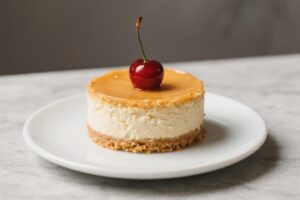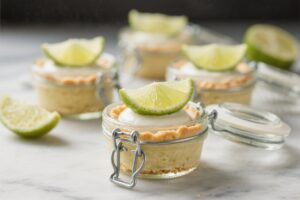
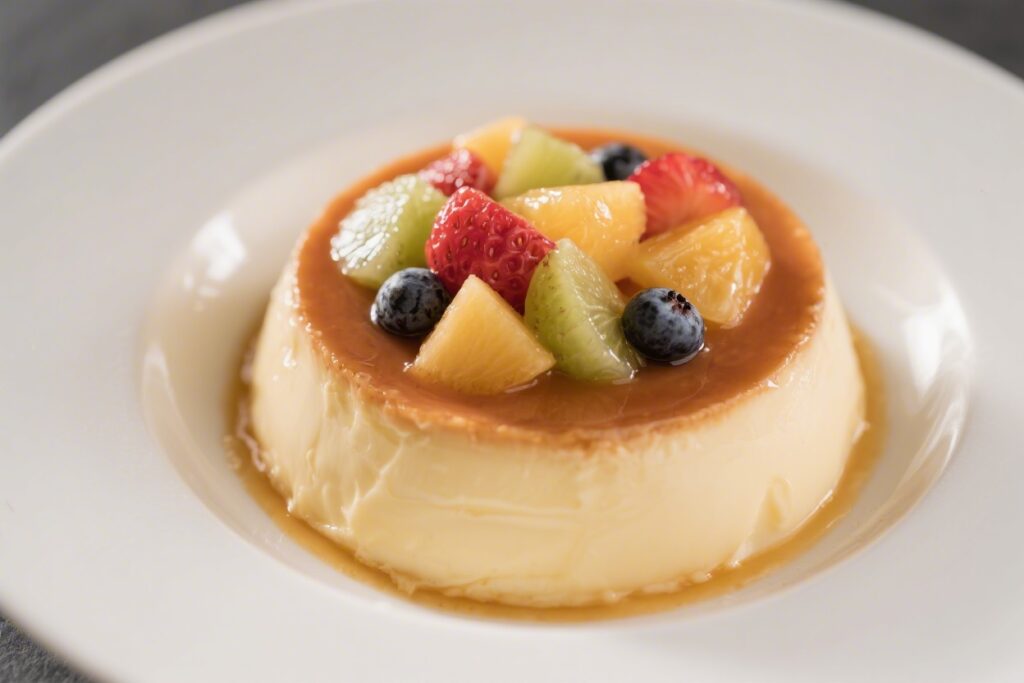
This creamy fruit custard is a chilled dessert that feels light yet indulgent. It’s the kind of recipe you pull out for family dinners, potlucks, or when you just want something sweet and refreshing without a fuss. The silky custard wraps around fresh fruit, giving every spoonful a mix of flavors and textures.
Best of all, it’s easy to make ahead, and you can customize it with whatever fruit you have on hand. If you love desserts that are simple, colorful, and satisfying, this one belongs in your rotation.
Creamy Fruit Custard Dessert With Mixed Fruit – A Chilled, Crowd-Pleasing Treat
Ingredients
- Milk: 4 cups (whole milk for creaminess; use almond, oat, or coconut milk for dairy-free)
- Custard powder or cornstarch: 3 tablespoons (vanilla-flavored custard powder preferred)
- Sugar: 1/3 to 1/2 cup, to taste
- Vanilla extract: 1 teaspoon (skip if using vanilla custard powder)
- Heavy cream (optional): 1/2 cup for extra richness
- Mixed fruit (4–5 cups total), cut into bite-size pieces: Apples (firm, sweet)
- Bananas
- Grapes (seedless, halved)
- Mango
- Strawberries
- Blueberries
- Kiwi
- Pineapple (fresh, not canned in syrup)
- Pomegranate arils (optional)
- Lemon juice: 1 tablespoon (to keep apples and bananas from browning)
- Pinch of salt: Optional, to balance sweetness
- Garnishes (optional): Chopped pistachios, almonds, or toasted coconut
Instructions
- Chill your serving bowl. Place a glass or ceramic bowl in the fridge. A cold bowl helps the custard cool faster and set nicely.
- Make the custard slurry. In a small bowl, whisk the custard powder (or cornstarch) with 1/2 cup of cold milk until smooth—no lumps.
- Heat the milk. In a saucepan, warm the remaining milk over medium heat until steaming but not boiling. Stir often to prevent scorching.
- Add sugar and vanilla. Stir in the sugar and a pinch of salt.Taste and adjust sweetness. If using plain cornstarch, add vanilla extract now.
- Thicken the custard. Lower the heat. Slowly whisk the slurry into the hot milk.Keep whisking until the mixture thickens to a pourable pudding consistency—about 3–5 minutes. It should coat the back of a spoon.
- Optional richness. Stir in the heavy cream off the heat for a silkier finish. This step is optional but adds a luxurious texture.
- Cool it down. Transfer the custard to your chilled bowl.Press a piece of plastic wrap directly onto the surface to prevent a skin from forming. Let it cool to room temperature, then chill for at least 1–2 hours.
- Prep the fruit. Wash, dry, and chop the fruit into bite-size pieces. Toss apples and bananas with lemon juice to keep them bright.Pat very juicy fruits (like pineapple or mango) with a paper towel so they don’t water down the custard.
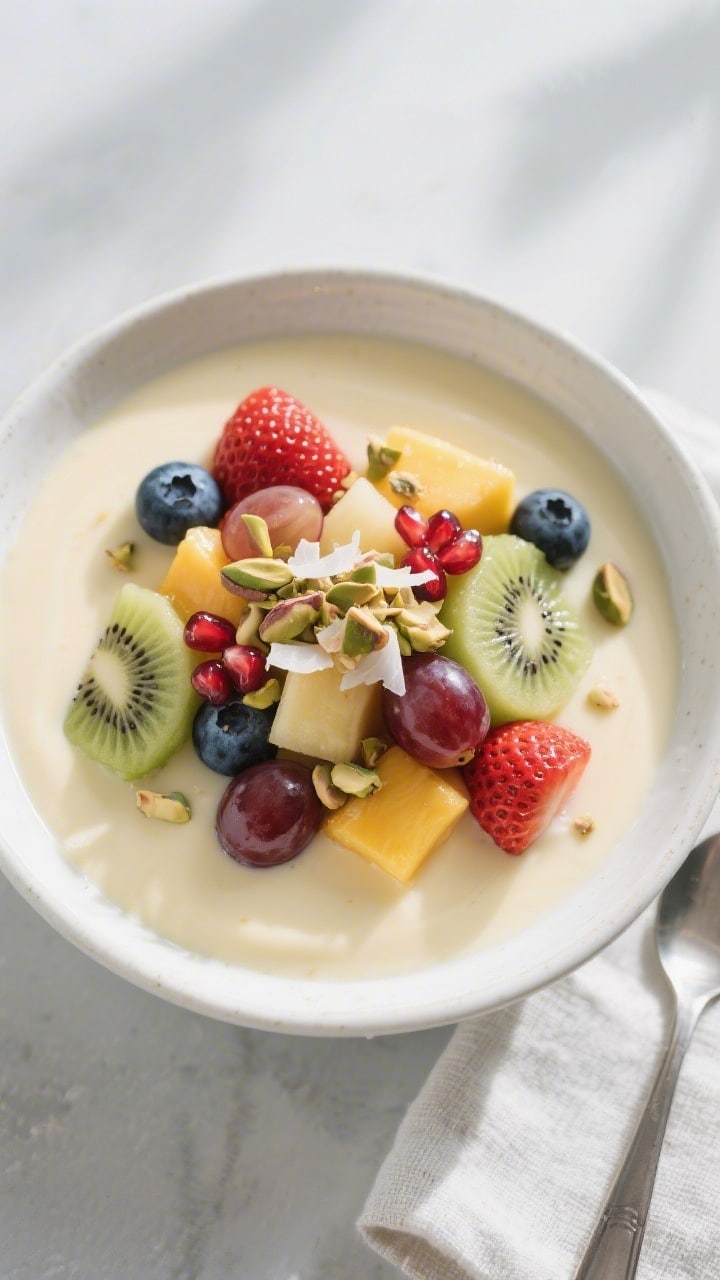
- Fold together. Once the custard is fully chilled and slightly thick, gently fold in the fruit. Reserve a handful for topping to keep the dessert pretty and fresh-looking.
- Chill again. Cover and refrigerate for another 30–60 minutes. This resting time lets the flavors meld and the custard set around the fruit.
- Garnish and serve. Top with extra fruit, a sprinkle of nuts, or toasted coconut.Serve cold. If it thickens too much, loosen with a splash of cold milk and stir.
Why This Recipe Works
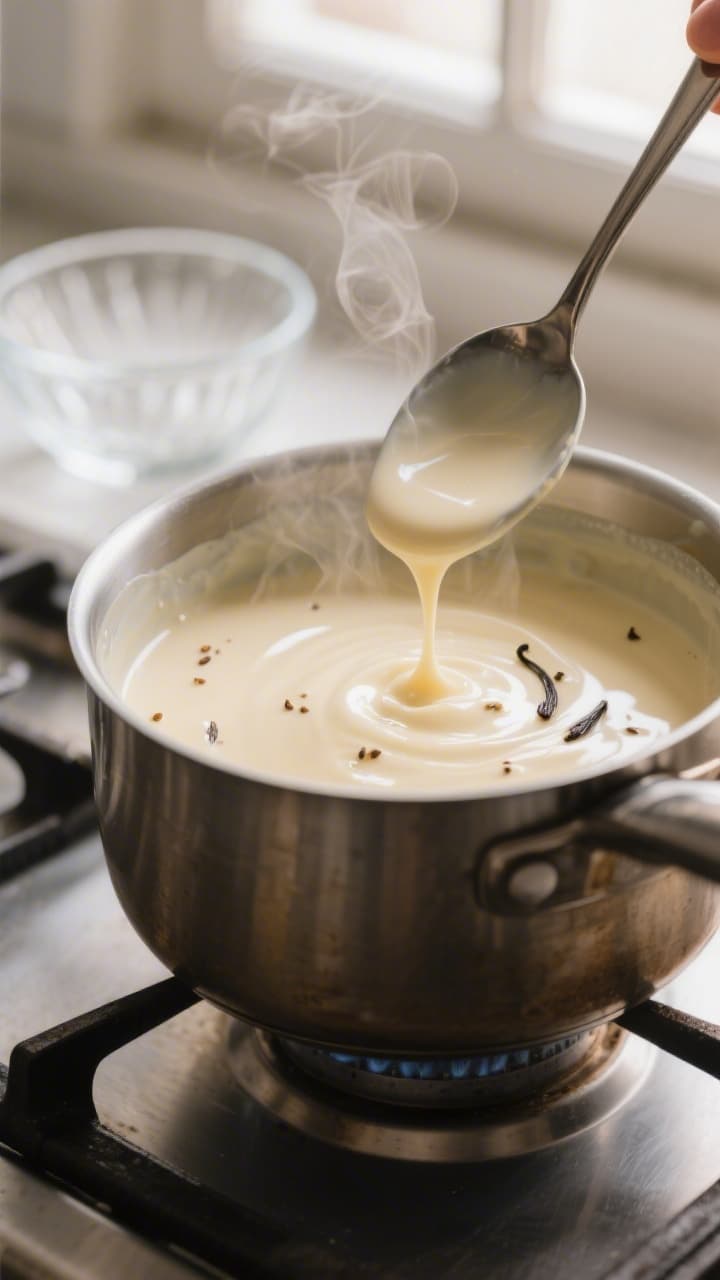
Fruit custard is a classic for a reason. The custard base is made with milk, sugar, and custard powder or cornstarch, which creates a smooth, pudding-like texture that sets beautifully in the fridge.
The gentle vanilla flavor doesn’t compete with the fruit—it enhances it.
Using a mix of fruit adds natural sweetness and variety. Some fruit stays soft and juicy, while others bring a little crunch. The combination keeps each bite interesting.
Plus, the recipe is flexible: swap in dairy-free milk, adjust the sweetness, or choose seasonal fruit to make it your own.
Shopping List
- Milk: 4 cups (whole milk for creaminess; use almond, oat, or coconut milk for dairy-free)
- Custard powder or cornstarch: 3 tablespoons (vanilla-flavored custard powder preferred)
- Sugar: 1/3 to 1/2 cup, to taste
- Vanilla extract: 1 teaspoon (skip if using vanilla custard powder)
- Heavy cream (optional): 1/2 cup for extra richness
- Mixed fruit (4–5 cups total), cut into bite-size pieces:
- Apples (firm, sweet)
- Bananas
- Grapes (seedless, halved)
- Mango
- Strawberries
- Blueberries
- Kiwi
- Pineapple (fresh, not canned in syrup)
- Pomegranate arils (optional)
- Lemon juice: 1 tablespoon (to keep apples and bananas from browning)
- Pinch of salt: Optional, to balance sweetness
- Garnishes (optional): Chopped pistachios, almonds, or toasted coconut
How to Make It
- Chill your serving bowl. Place a glass or ceramic bowl in the fridge. A cold bowl helps the custard cool faster and set nicely.
- Make the custard slurry. In a small bowl, whisk the custard powder (or cornstarch) with 1/2 cup of cold milk until smooth—no lumps.
- Heat the milk. In a saucepan, warm the remaining milk over medium heat until steaming but not boiling. Stir often to prevent scorching.
- Add sugar and vanilla. Stir in the sugar and a pinch of salt.
Taste and adjust sweetness. If using plain cornstarch, add vanilla extract now.
- Thicken the custard. Lower the heat. Slowly whisk the slurry into the hot milk.
Keep whisking until the mixture thickens to a pourable pudding consistency—about 3–5 minutes. It should coat the back of a spoon.
- Optional richness. Stir in the heavy cream off the heat for a silkier finish. This step is optional but adds a luxurious texture.
- Cool it down. Transfer the custard to your chilled bowl.
Press a piece of plastic wrap directly onto the surface to prevent a skin from forming. Let it cool to room temperature, then chill for at least 1–2 hours.
- Prep the fruit. Wash, dry, and chop the fruit into bite-size pieces. Toss apples and bananas with lemon juice to keep them bright.
Pat very juicy fruits (like pineapple or mango) with a paper towel so they don’t water down the custard.
- Fold together. Once the custard is fully chilled and slightly thick, gently fold in the fruit. Reserve a handful for topping to keep the dessert pretty and fresh-looking.
- Chill again. Cover and refrigerate for another 30–60 minutes. This resting time lets the flavors meld and the custard set around the fruit.
- Garnish and serve. Top with extra fruit, a sprinkle of nuts, or toasted coconut.
Serve cold. If it thickens too much, loosen with a splash of cold milk and stir.
How to Store
Keep the fruit custard covered in the fridge for up to 2 days. The texture is best on day one.
Bananas may soften and darken over time, so add them right before serving if you plan to store leftovers.
Avoid freezing. Custard can separate after thawing, and fruit can turn mushy. If the custard looks too firm after chilling, whisk in a tablespoon or two of cold milk to smooth it out.
Health Benefits
- Fiber and vitamins: Mixed fruit brings vitamin C, antioxidants, and fiber that support immunity and digestion.
- Calcium and protein: Dairy-based custard offers calcium for bone health and a bit of protein for satiety.
- Portion-friendly sweetness: The natural sugars in fruit mean you can use less added sugar and still get a satisfying dessert.
- Customizable for dietary needs: Use dairy-free milk and reduce sugar for a lighter, more tailored treat.
Common Mistakes to Avoid
- Boiling the milk. High heat can scorch milk and cause lumps.
Keep it at a gentle simmer and whisk constantly when adding the slurry.
- Skipping the plastic wrap. Without a cover on the surface, a skin forms and creates grainy bits in the custard.
- Adding warm custard to fruit. Warm custard makes fruit release water, thinning the dessert. Always cool the custard fully first.
- Using canned fruit in heavy syrup.</-strong> It can make the dessert overly sweet and watery. Fresh fruit works best.
- Overmixing once fruit is added. Gentle folding keeps fruit intact and prevents the custard from breaking down.
Variations You Can Try
- Tropical twist: Use mango, pineapple, kiwi, and toasted coconut.
Add a squeeze of lime for brightness.
- Berry medley: Strawberries, blueberries, raspberries, and blackberries with a touch of lemon zest.
- Rose and cardamom: Add a few drops of rose water and a pinch of ground cardamom to the custard. Top with pistachios for a fragrant finish.
- Chocolate custard: Whisk 2 tablespoons of cocoa powder into the slurry and add 1–2 ounces of chopped dark chocolate off the heat.
- High-protein boost: Fold in 1/2 cup of Greek yogurt after the custard cools for extra tang and protein.
- Nutty crunch: Layer custard and fruit with granola or crushed biscotti right before serving for texture.
FAQ
Can I make this ahead of time?
Yes. Make the custard up to 2 days ahead and keep it chilled.
Add fruit on the day you plan to serve, preferably within a few hours, to keep the texture fresh.
What fruits should I avoid?
Skip very watery fruits like watermelon, which can thin the custard. Also, avoid canned fruit in syrup and overripe bananas that can turn mushy quickly.
How do I fix lumpy custard?
Whisk vigorously while it’s still warm. If lumps remain, push the custard through a fine-mesh sieve into a clean bowl.
Cover and chill as directed.
Can I make it dairy-free?
Absolutely. Use almond, oat, or coconut milk and replace heavy cream with a rich dairy-free option like canned coconut milk. Adjust sugar to taste since some plant milks are sweeter.
Why did my custard not thicken?
It may not have cooked long enough, or you used too little thickener.
Return it to low heat and whisk for another few minutes. If needed, mix 1 teaspoon cornstarch with 2 teaspoons cold milk and whisk it in while heating gently.
Is there a lower-sugar option?
Yes. Reduce the sugar by half and rely on ripe, sweet fruit.
You can also use a small amount of honey or maple syrup. Taste as you go and adjust gradually.
Can I serve this warm?
It’s best cold. Warm custard will soften and leach water from the fruit, leading to a runny dessert.
If you prefer warmth, serve the custard warm on its own and add fruit on top just before eating.
Final Thoughts
This creamy fruit custard dessert is simple, flexible, and reliably delicious. It invites seasonal swaps, welcomes pantry shortcuts, and still feels special every time you serve it. Keep the custard smooth, the fruit fresh, and the chill time generous, and you’ll have a dessert that wins over kids and adults alike.
Once you’ve made it your way, it’ll become a go-to treat for celebrations, casual dinners, and everything in between.