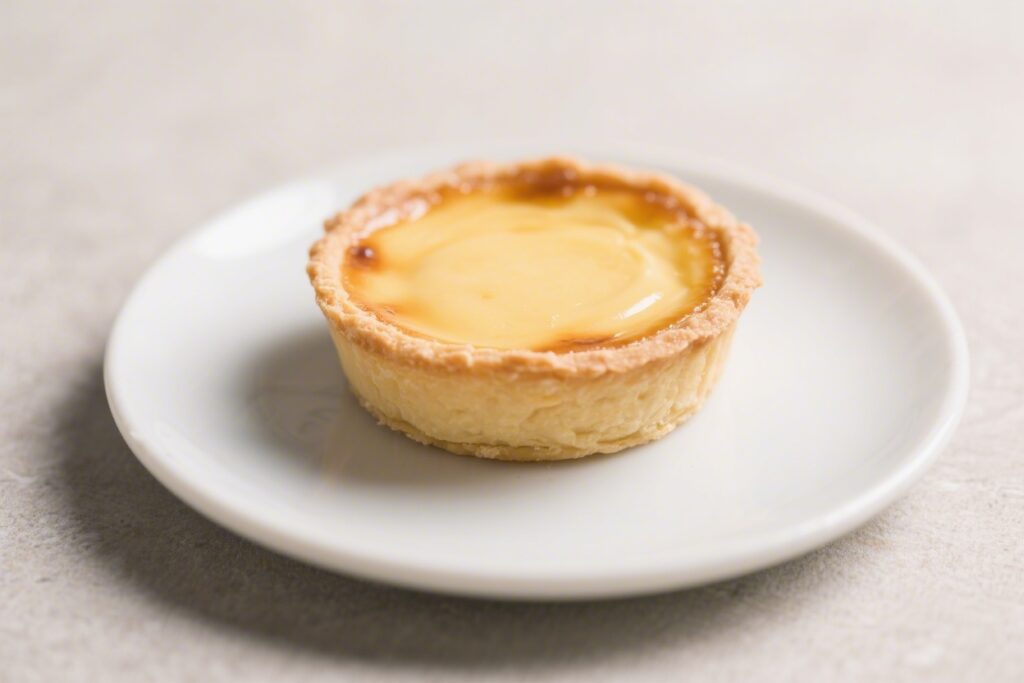
The best desserts don’t shout; they whisper. A custard tart is one of those quiet classics that always hits the spot—silky, creamy filling wrapped in a crisp, buttery crust. It feels a little nostalgic, like something you’d find in a good bakery window or at a family gathering.
The beauty is in its simplicity, and it’s surprisingly straightforward to make at home. With a few tips and a gentle hand, you’ll bake a tart that sets softly, slices cleanly, and tastes like comfort.
What Makes This Special
This custard tart focuses on balance: a tender, flaky pastry and a custard that’s smooth, not stodgy. It uses real vanilla for warmth and a touch of nutmeg for that classic bakery note.
The method keeps things simple—no water baths, no mystery steps—just careful timing and attention to temperature. Whether you serve it warm or chilled, it’s elegant without trying too hard.
Ingredients
- For the crust:
- 1 1/4 cups (160 g) all-purpose flour
- 2 tablespoons granulated sugar
- 1/2 teaspoon fine salt
- 1/2 cup (115 g) cold unsalted butter, cut into cubes
- 1 large egg yolk
- 2–3 tablespoons ice water
- For the custard:
- 1 1/2 cups (360 ml) whole milk
- 1/2 cup (120 ml) heavy cream
- 4 large egg yolks
- 1/3 cup (65 g) granulated sugar
- 1 tablespoon cornstarch (optional, for a slightly firmer set)
- 1 teaspoon pure vanilla extract or seeds from 1/2 vanilla bean
- 1/8 teaspoon fine salt
- Freshly grated nutmeg, for topping
Instructions
- Make the pastry. In a bowl, whisk the flour, sugar, and salt. Rub in the cold butter with your fingertips until you have pea-size bits.Stir in the egg yolk, then add ice water, 1 tablespoon at a time, until the dough just comes together.
- Chill and roll. Shape the dough into a disk, wrap, and chill for 30–45 minutes. On a lightly floured surface, roll it to fit a 9-inch tart pan with a removable bottom. Ease it into the pan without stretching, trim the edges, and chill again for 20 minutes.
- Blind-bake the crust. Heat the oven to 375°F (190°C).Line the pastry with parchment and fill with pie weights or dried beans. Bake 15 minutes, remove weights and parchment, and bake 8–10 more minutes until lightly golden. Cool slightly.
Reduce oven to 325°F (165°C).
- Warm the dairy. In a saucepan, combine milk and cream. Warm over medium heat until steaming but not boiling. Remove from heat and stir in vanilla.
- Mix the custard base. In a bowl, whisk egg yolks, sugar, cornstarch (if using), and salt until smooth and slightly pale.Slowly whisk in the warm milk mixture to temper, then strain the custard through a fine sieve into a pitcher for easy pouring.
- Fill the tart. Place the tart shell on a baking sheet. Pour in the custard almost to the top. Grate a light dusting of nutmeg over the surface.
- Bake gently. Bake at 325°F (165°C) for 25–35 minutes.The custard should be mostly set with a slight wobble in the center. Do not overbake; it will firm up as it cools.
- Cool and serve. Cool the tart to room temperature, then chill for at least 1–2 hours for clean slices. Serve plain or with a few fresh berries.
Storage Instructions
- Refrigerate: Cover and chill for up to 3 days.The crust stays crispest on day one but remains tasty after.
- Freeze: Freeze well-wrapped slices for up to 1 month. Thaw overnight in the fridge. The texture may be slightly softer but still good.
- Serve temperature: Best slightly chilled or at cool room temperature.Avoid microwaving; it can make the custard weep.
Health Benefits
This is a treat, but it does offer a few positives. Eggs bring protein and important nutrients like choline and B vitamins. Milk and cream contribute calcium and vitamin D, supporting bone health.
If you reduce sugar slightly and skip the cornstarch, you keep the ingredient list simple without sacrificing flavor. Enjoy in moderation and pair with fresh fruit for a more balanced dessert plate.
Pitfalls to Watch Out For
- Overworking the dough: This makes the crust tough. Mix just until it holds together.
- Skipping the chill: Warm pastry shrinks and slumps.Chill before rolling and again before baking.
- High oven heat for custard: Too hot and it curdles. Keep it low and steady at 325°F (165°C).
- Overbaking: Look for a gentle wobble in the center. If it’s rigid in the oven, it’s gone too far.
- Pouring hot custard into a hot shell: Let the shell cool slightly to avoid soggy patches or overcooking.
- Skipping the straining step: Straining removes bubbles and any eggy threads for a smoother finish.
Recipe Variations
- Cinnamon Sugar Top: Swap nutmeg for a light sprinkle of cinnamon sugar before baking for a warm, sweet crust.
- Citrus Twist: Add 1 teaspoon finely grated lemon or orange zest to the custard for brightness.
- Brown Sugar Custard: Replace half the granulated sugar with light brown sugar for a caramel note.
- Shortbread Crust: Use crushed butter cookies mixed with melted butter (like a cheesecake base) for a quicker, sweeter shell.
- Spiked Vanilla: Stir in 1 tablespoon dark rum, bourbon, or brandy for depth.
- Nutty Edge: Replace 1/4 cup of the flour with finely ground almonds or hazelnuts in the pastry for extra flavor.
Why Is My Custard Tart Runny?
It likely needed a few more minutes or the oven ran cool.
Bake until the edges are set and the center still wobbles slightly. Chilling helps it finish setting, so don’t skip the rest time.
How Do I Prevent A Soggy Bottom?
Blind-bake the crust until lightly golden, then cool slightly before adding the custard. Baking on a preheated baking sheet can also help crisp the base.
Can I Use Only Milk Instead Of Cream?
Yes, but the texture will be lighter and less rich.
Whole milk works best. You can also replace the cream with evaporated milk for a denser, old-fashioned feel.
What If I Don’t Have Pie Weights?
Use dried beans or uncooked rice on top of parchment. Keep them in a jar to reuse for future blind-baking.
Can I Make It Ahead?
Absolutely.
Bake the day before, chill overnight, and serve the next day. It slices beautifully once fully set.
Why Does My Custard Taste Eggy?
Overcooking brings out a sulfurous egg note. Keep the heat gentle, bake just to a wobble, and add a touch more vanilla to balance the flavor.
Do I Have To Use Cornstarch?
No.
It’s optional insurance for a firmer set and cleaner slices. Without it, the custard is silkier but slightly more delicate.
In Conclusion
A good custard tart is all about simple ingredients treated with care. Make a tender crust, keep the heat gentle, and stop baking at that soft wobble.
From there, it’s pure comfort—subtle vanilla, a hint of nutmeg, and a smooth, creamy slice that never goes out of style. Serve it proudly, and expect it to disappear fast.