
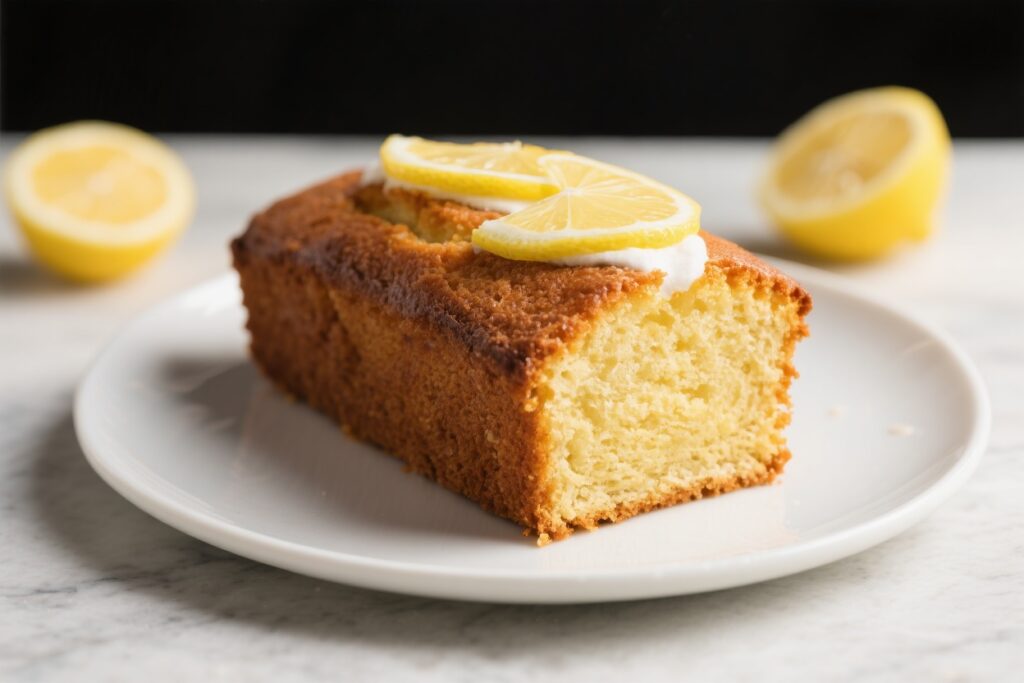
A good lemon loaf cake feels like sunshine on a plate. It’s soft, tender, and full of fresh citrus flavor without being overly sweet. You get a zesty, fragrant crumb and a simple glaze that adds just the right amount of tang.
It’s easy enough for a weekday bake, yet special enough to serve to guests. Whether you’re pairing it with coffee in the morning or tea in the afternoon, this loaf never disappoints.
What Makes This Recipe So Good
This lemon loaf focuses on fresh lemon flavor, not artificial extracts. You’ll use both zest and juice to make the cake bright and lively.
A touch of yogurt keeps the crumb moist and soft, while butter adds richness and structure. The quick lemon glaze brings everything together with a glossy finish and a sweet-tart pop.
Best of all, this recipe uses simple pantry staples and comes together in one bowl with just a few steps. It bakes evenly, slices cleanly, and stores well.
It’s reliable, forgiving, and always crowd-pleasing.
Recipe Card
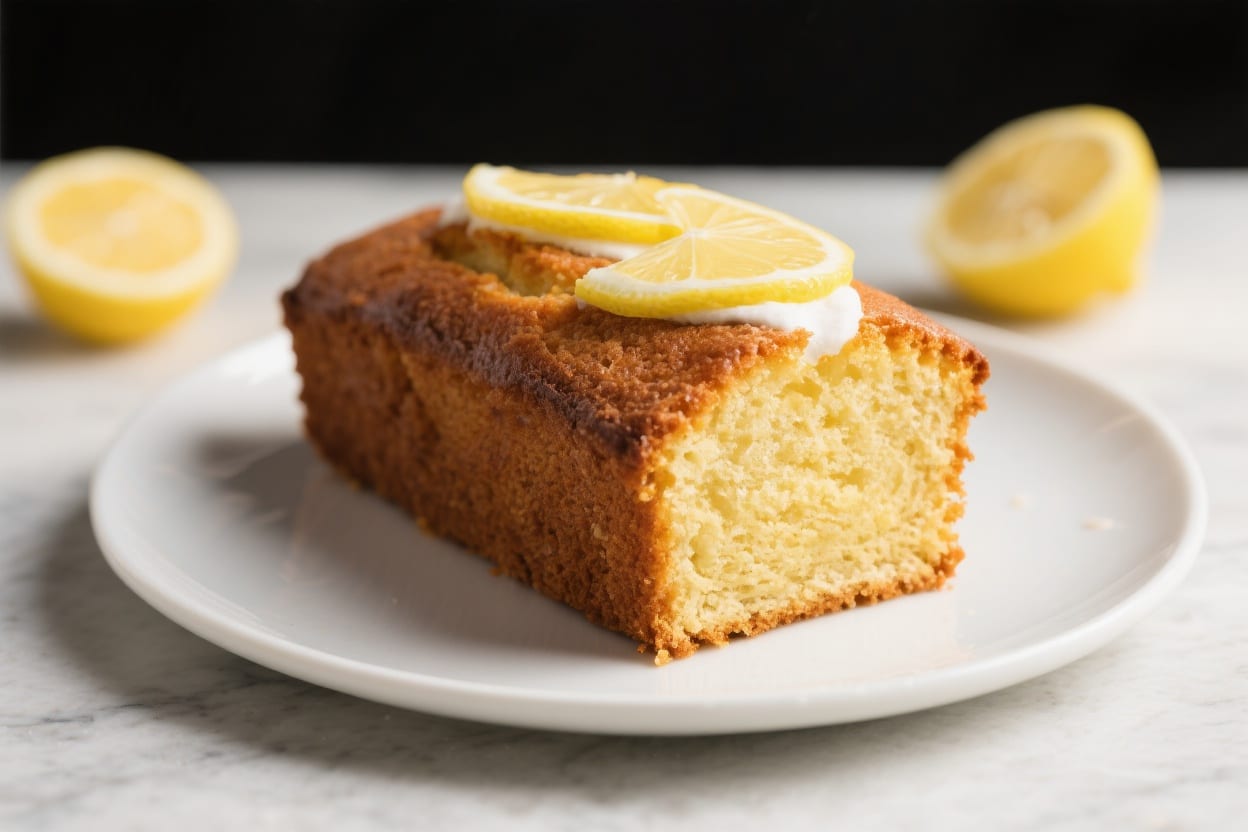
Lemon Loaf Cake
Ingredients
- Unsalted butter (room temperature)
- Granulated sugar
- Large eggs (room temperature)
- Plain yogurt or sour cream (full-fat preferred)
- Fresh lemons (you’ll need zest and juice)
- All-purpose flour
- Baking powder
- Fine salt
- Vanilla extract
- Powdered sugar (for the glaze)
- Neutral oil (optional, for extra moisture)
Instructions
- Prep your pan and oven: Heat the oven to 350°F (175°C). Line a 9×5-inch loaf pan with parchment, leaving overhang for easy removal. Lightly grease the parchment and sides.
- Zest and juice the lemons: Zest 2 large lemons, avoiding the bitter white pith. You should have about 1–1.5 tablespoons of zest. Juice the lemons and set aside 1/3 cup of juice total (some for the batter, some for the glaze).
- Mix the dry ingredients: In a medium bowl, whisk 1.5 cups all-purpose flour, 1.5 teaspoons baking powder, and 1/2 teaspoon fine salt. Set aside.
- Cream the butter and sugar: In a large bowl, beat 1/2 cup unsalted butter with 3/4 cup granulated sugar until light and fluffy, 2–3 minutes. This step builds structure and helps the cake rise.
- Add eggs and flavorings: Beat in 2 large eggs, one at a time, until fully combined. Mix in 1 teaspoon vanilla extract and the lemon zest. Scrape the bowl as needed.
- Add yogurt and lemon juice: Stir in 1/2 cup plain yogurt and 2 tablespoons fresh lemon juice until smooth. The mixture may look slightly curdled; that’s fine.
- Combine wet and dry: Add the dry ingredients to the bowl and mix gently just until no dry streaks remain. If you like an extra-moist loaf, fold in 2 tablespoons neutral oil at the end. Do not overmix.
- Fill the pan: Spread the batter into the prepared pan and smooth the top. Tap the pan lightly on the counter to release air bubbles.
- Bake: Bake for 45–55 minutes, or until a toothpick inserted in the center comes out clean or with a few moist crumbs. If the top browns too quickly, tent it with foil for the last 10 minutes.
- Cool and glaze: Let the loaf cool in the pan for 10 minutes. Lift out using the parchment and transfer to a wire rack. While warm, whisk 1 cup powdered sugar with 2–3 tablespoons lemon juice until smooth and pourable. Brush or spoon half the glaze over the warm loaf so it soaks in, then let it cool completely. Once cool, drizzle the remaining glaze on top for a glossy finish.
- Slice and serve: Use a sharp serrated knife for neat slices. Wipe the blade between cuts for clean edges.
How to Store
Keep the loaf at room temperature, tightly wrapped or in an airtight container, for up to 3 days. The flavor often improves on day two as the lemon settles into the crumb.
For longer storage, wrap slices individually and freeze for up to 2 months. Thaw at room temperature or warm gently in a low oven.
If your kitchen is very warm or humid, refrigerate the loaf to maintain freshness. Bring to room temperature before serving for the best texture.
Benefits of This Recipe
- Simple ingredients: Everything is easy to find and likely already in your pantry.
- Balanced flavor: Zest plus juice gives real lemon taste without bitterness.
- Moist crumb: Yogurt and butter create a tender, rich texture that keeps well.
- Flexible: Works in a loaf pan, mini loaves, or even as muffins with adjusted bake times.
- Make-ahead friendly: Stays moist for days and freezes beautifully.
Pitfalls to Watch Out For
- Overmixing: This develops gluten and makes the loaf tough.
Stir just until combined.
- Cold ingredients: Butter and eggs should be at room temperature for a smooth batter and even crumb.
- Too much lemon juice: Extra liquid can throw off the structure. Stick to the amounts listed.
- Underbaking: A wet center collapses as it cools. Check several spots with a toothpick near the end.
- Skipping the warm glaze: Glazing while warm helps it soak in and boosts lemon flavor throughout.
Variations You Can Try
- Lemon Poppy Seed: Fold in 1–2 tablespoons poppy seeds before baking.
Add a touch of almond extract if you like.
- Lemon Blueberry: Toss 1 cup fresh blueberries with 1 tablespoon flour and fold into the batter. Add 5–10 minutes to the bake time if needed.
- Meyer Lemon: Use Meyer lemons for a sweeter, floral note. Reduce sugar in the glaze slightly to keep balance.
- Lemon Almond: Replace 1/4 cup of the flour with almond flour and add 1/4 teaspoon almond extract for a nutty twist.
- Citrus Mix: Use half lemon, half orange zest and juice for a softer tang and beautiful aroma.
- Dairy-Free: Swap butter for a good non-dairy butter and use a thick non-dairy yogurt.
Texture stays tender with these changes.
FAQ
Can I make this gluten-free?
Yes. Use a 1:1 gluten-free all-purpose flour blend that includes xanthan gum. The texture will be slightly more delicate, so let the loaf cool fully before slicing.
What if I don’t have yogurt?
Sour cream works perfectly.
You can also use buttermilk; reduce the lemon juice by 1 tablespoon to keep the batter from getting too wet.
How do I get stronger lemon flavor?
Rub the lemon zest into the sugar with your fingers before creaming. This releases the oils for a more intense aroma. You can also add 1/4 teaspoon lemon extract, but it’s optional if you’re using fresh zest and juice.
Why did my loaf sink in the middle?
Common causes include underbaking, too much liquid, or opening the oven door too early.
Make sure your baking powder is fresh, measure liquids carefully, and bake until the center tests done.
Can I turn this into muffins?
Yes. Divide the batter into a greased or lined 12-cup muffin tin and bake at 350°F (175°C) for 18–22 minutes. Glaze while warm and again after cooling, just like the loaf.
How do I prevent a tough crust?
Don’t overbake, and avoid a too-hot oven.
If the top browns fast, tent with foil. Storing the cooled loaf in an airtight container overnight softens the crust nicely.
Is the glaze necessary?
It’s simple but powerful. The first layer soaks in and brightens the crumb, while the second adds shine and sweetness.
If you prefer a less sweet loaf, use just the first soak or skip the final drizzle.
Wrapping Up
This Lemon Loaf Cake gives you bright citrus flavor, a moist crumb, and a simple glaze that ties it all together. It’s straightforward enough for beginners but flavorful enough to feel special. Keep it classic, or try one of the variations to make it your own.
Either way, you’ll have a reliable, sunny bake that fits breakfast, snack time, or dessert without fuss.