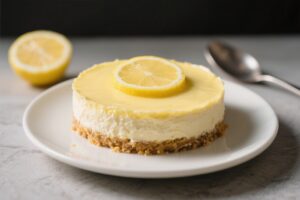
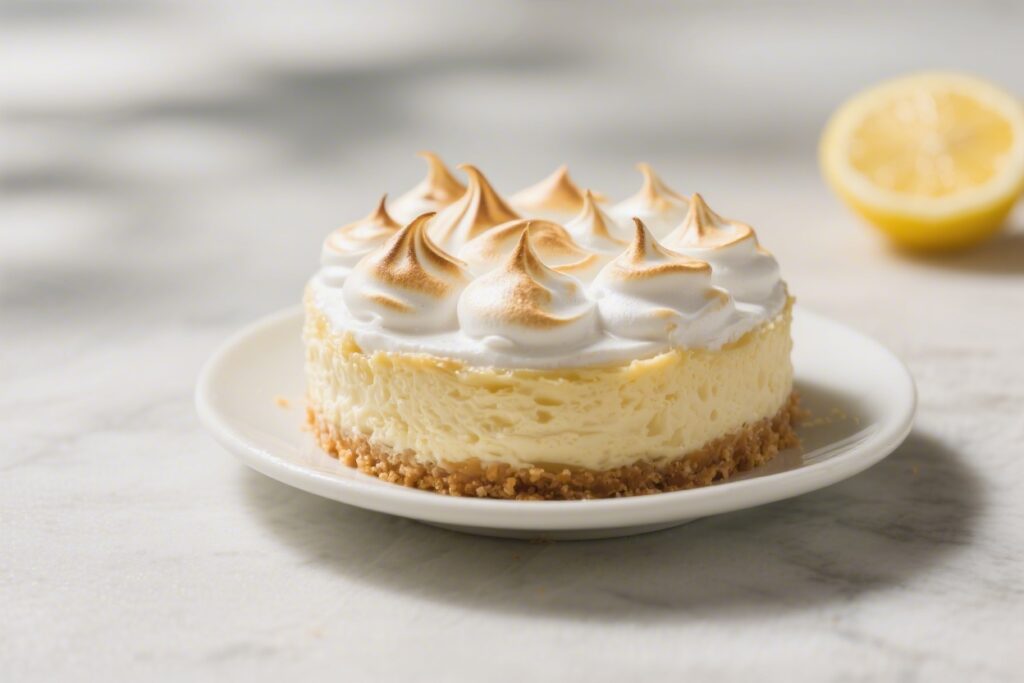
Lemon meringue cheesecake hits that sweet spot between cozy and fresh. It has all the richness of classic cheesecake, topped with a glossy lemon curd and a cloud of toasted meringue. The textures play so well together—crisp crust, silky filling, tangy curd, and soft, caramel-kissed topping.
If you love lemon desserts but still want something indulgent, this is the one. It looks impressive, but with a few tips, it’s absolutely doable at home.
What Makes This Recipe So Good
- Balanced flavor: The tangy lemon curd cuts through the creamy cheesecake, so every bite feels bright, not heavy.
- Beautiful presentation: That toasted meringue swirl looks bakery-level without complicated techniques.
- Make-ahead friendly: Cheesecake benefits from chilling, so most of the work is done in advance.
- Reliable texture: A water bath and low, even baking help avoid cracks and dryness.
- Flexible layers: Use store-bought lemon curd in a pinch, or make it from scratch for extra bragging rights.
Recipe Card
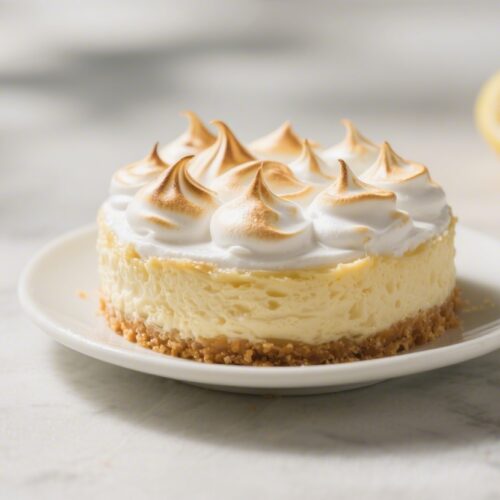
Lemon Meringue Cheesecake
Ingredients
For the crust:
- 1 1/2 cups graham cracker crumbs (about 12 crackers)
- 1/4 cup granulated sugar
- 6 tablespoons unsalted butter, melted
- Pinch of salt
For the cheesecake filling:
- 24 ounces cream cheese, softened to room temperature
- 3/4 cup granulated sugar
- 3 large eggs, at room temperature
- 2/3 cup sour cream, at room temperature
- 2 teaspoons pure vanilla extract
- 1 tablespoon finely grated lemon zest
- 2 tablespoons fresh lemon juice
- Pinch of salt
For the lemon curd:
- 1/2 cup fresh lemon juice (about 3–4 lemons)
- 2 teaspoons finely grated lemon zest
- 1/2 cup granulated sugar
- 3 large egg yolks
- 4 tablespoons unsalted butter, cut into pieces
- Pinch of salt
For the meringue:
- 4 large egg whites, at room temperature
- 1/2 cup granulated sugar
- 1/4 teaspoon cream of tartar
- 1/2 teaspoon vanilla extract
- Pinch of salt
Equipment:
- 9-inch springform pan, heavy-duty foil, roasting pan for water bath, mixer, zester, thermometer (optional), kitchen torch (optional)
Instructions
- Prep the pan and oven: Heat the oven to 325°F (163°C). Wrap the outside of a 9-inch springform pan with a few layers of foil to keep water out. Lightly grease the inside.
- Make the crust: Combine graham crumbs, sugar, salt, and melted butter. Press firmly into the bottom and slightly up the sides of the pan. Bake for 8–10 minutes until set. Cool slightly.
- Mix the filling base: Beat cream cheese and sugar on medium speed until smooth, about 2 minutes. Scrape the bowl. Add sour cream, lemon zest, lemon juice, vanilla, and salt. Mix until combined and creamy.
- Add the eggs: Beat in eggs one at a time on low speed, just until blended. Do not overmix; too much air can cause cracks.
- Set up the water bath: Pour the filling over the crust. Place the pan in a roasting pan. Pour hot water into the roasting pan to reach halfway up the springform sides.
- Bake the cheesecake: Bake 55–70 minutes. The edges should be set, with a slight wobble in the center. Internal temperature at the center should be around 150–155°F if using a thermometer.
- Cool gently: Turn the oven off, crack the door, and let the cheesecake sit for 1 hour. Remove from the water bath, unwrap foil, and cool to room temperature. Then chill at least 6 hours, preferably overnight.
- Make the lemon curd: In a heatproof bowl, whisk yolks, sugar, lemon juice, zest, and salt. Set over a pot of barely simmering water and whisk until thickened, 8–12 minutes, or until it coats the back of a spoon. Whisk in butter until glossy. Strain for a silky finish. Cool to room temp, then chill.
- Top with curd: Once the cheesecake is fully chilled and set, spread an even layer of lemon curd over the top, leaving a small border if you like. Chill 30 minutes to firm.
- Whip the meringue: Beat egg whites with cream of tartar and salt to soft peaks. Gradually add sugar, a tablespoon at a time, beating to stiff, glossy peaks. Beat in vanilla.
- Finish and toast: Spoon or pipe meringue over the chilled curd, creating swoops and peaks. Toast with a kitchen torch until golden, or place under a broiler for 1–2 minutes, watching constantly. Chill 15–30 minutes before slicing.
- Slice cleanly: Warm a sharp knife under hot water, wipe dry, and cut. Wipe the blade between slices for neat edges.
Storage Instructions
- Refrigeration: Store covered in the fridge for up to 3 days. Keep it on a flat surface, away from strong-smelling foods.
- Freezing: Freeze the cheesecake without meringue or curd for up to 2 months.
Wrap tightly in plastic and foil. Thaw overnight in the fridge, then add curd and meringue before serving.
- Meringue note: Meringue is best within 24 hours. It can weep over time, so toast just before serving if possible.
Why This is Good for You
- Lemon brings vitamin C: Fresh lemon juice and zest add antioxidants and a bright lift that helps balance richness.
- Protein and calcium: Cream cheese and eggs bring staying power, so a small slice is satisfying.
- Mindful sweetness: The tart lemon curd lets you use less sugar than many all-sweet desserts while keeping flavor bold.
Pitfalls to Watch Out For
- Cracks in the cheesecake: Usually from overbaking or sudden temperature changes.
Use a water bath, avoid overmixing, and cool slowly in the oven with the door cracked.
- Weepy meringue: Add sugar gradually and whip to stiff, glossy peaks. Spread meringue over chilled curd and toast just before serving.
- Runny curd: Cook long enough to thicken and always chill before topping. Strain to remove any cooked egg bits.
- Soggy crust: Bake the crust first and ensure the foil wrap is tight to keep water out of the pan.
- Overbaked texture: Look for a slight jiggle in the center; the cake sets as it cools.
Variations You Can Try
- Meyer lemon twist: Swap regular lemons for Meyer lemons for a sweeter, floral note.
- Shortbread crust: Use crushed shortbread cookies instead of grahams for a buttery base.
- Italian meringue: Make a sugar syrup and whip it into egg whites for a more stable topping that holds longer.
- Berry swirl: Add a few dollops of raspberry or blueberry puree to the cheesecake batter and swirl before baking.
- Gluten-free crust: Use gluten-free graham crackers or almond flour mixed with sugar and butter.
- No-bake option: Use a no-bake cheesecake base and set it in the fridge, then top with curd and meringue (toast lightly and serve immediately).
FAQ
Can I use store-bought lemon curd?
Yes.
Choose a good-quality brand with real lemon juice and butter. Warm it gently to loosen, let it cool, then spread it on the chilled cheesecake.
Do I have to use a water bath?
It’s strongly recommended. The steam creates a gentle, moist heat that prevents cracks and keeps the texture creamy.
If you skip it, bake at a slightly lower temperature and watch closely.
How do I know when the cheesecake is done?
The edges should be set, and the center should still wobble slightly when you nudge the pan. If using a thermometer, the center should read around 150–155°F.
Can I make this ahead?
Absolutely. Bake the cheesecake a day or two ahead and keep it chilled.
Add the curd and meringue the day you plan to serve for best texture.
What if I don’t have a kitchen torch?
Use your oven’s broiler. Place the cheesecake on a rack a few inches from the heat and broil 1–2 minutes, watching constantly to avoid burning.
How do I prevent the meringue from shrinking?
Spread the meringue so it touches the edges of the crust or pan, sealing it. This helps it cling as it cools and reduces shrinking.
Can I reduce the sweetness?
Yes.
Cut 2–3 tablespoons of sugar from the filling or meringue. Keep in mind that lemon curd needs enough sugar to set and balance acidity.
Final Thoughts
Lemon meringue cheesecake feels special without being fussy. The layers are simple, each with a job to do: crisp crust, creamy base, zesty curd, and a soft, toasty crown.
Follow the slow-and-low method, and you’ll get a smooth, crack-free result. It’s the kind of dessert that wins over citrus lovers and cheesecake fans alike. Serve chilled, slice clean, and enjoy that bright, creamy bite.