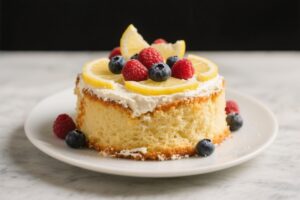
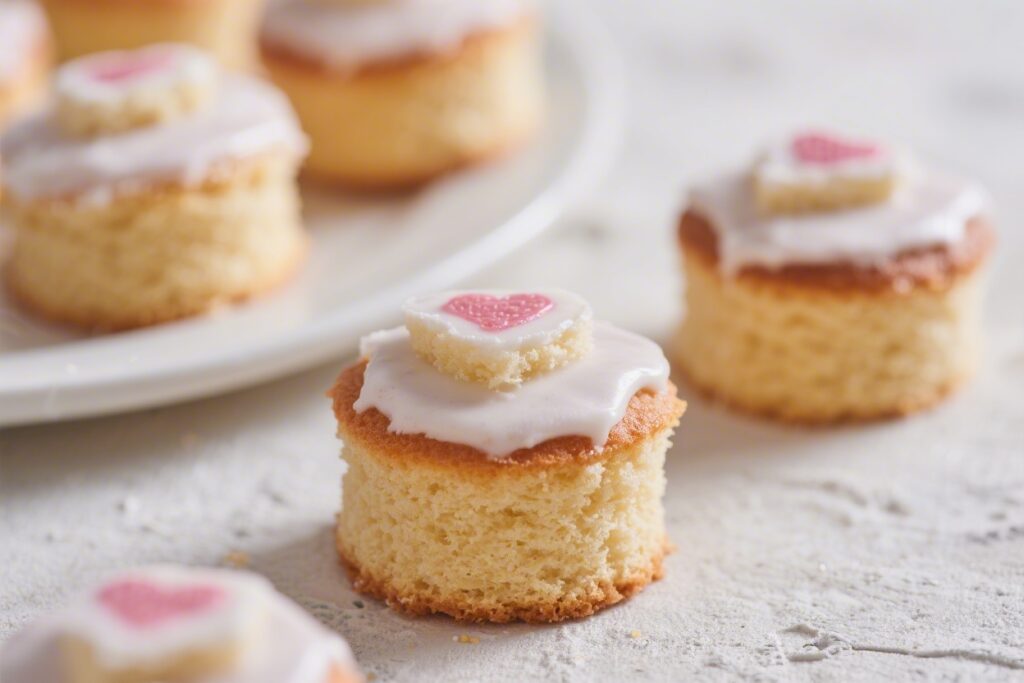
Victoria sponge cakes are a timeless treat, and the mini version makes them even more delightful. They’re soft, buttery, and sandwiched with jam and cream for the perfect bite. These little cakes look fancy but are easy to make, and they bake faster than a full-sized sponge.
Serve them at afternoon tea, birthdays, or anytime you want something sweet without the fuss.
Why This Recipe Works
Mini cakes bake evenly and stay beautifully soft, thanks to the classic equal-weight sponge method. The batter uses simple pantry staples, and the technique keeps the crumb light and tender. A quick chill before assembly helps the cream hold up, so every bite is neat. Small size, big flavor—you get the same classic taste with less waiting and more flexibility.
Ingredients
- For the sponge:
- 200 g unsalted butter, softened (plus a little for greasing)
- 200 g caster sugar
- 3 large eggs, room temperature
- 200 g self-raising flour
- 1 tsp baking powder
- 2 tbsp milk
- 1 tsp vanilla extract
- For the filling:
- 150 ml double cream (heavy cream), cold
- 1–2 tbsp icing sugar, plus extra for dusting
- 1/2 tsp vanilla extract
- Good-quality strawberry or raspberry jam (about 6–8 tbsp)
- Fresh berries (optional, for garnish)
Instructions
- Preheat and prepare: Heat the oven to 170°C/150°C fan/340°F.Grease and line two 20 cm (8-inch) round cake tins with baking paper.
- Cream the butter and sugar: In a large bowl, beat the softened butter and caster sugar until pale and fluffy, about 3–4 minutes. This traps air and helps the cakes rise.
- Add the eggs: Beat in the eggs one at a time, mixing well after each. If the mixture looks curdled, add a spoonful of flour to bring it together.
- Fold in dry ingredients: Sift the self-raising flour and baking powder over the bowl.Gently fold with a spatula until just combined to keep the batter light.
- Loosen and flavor: Stir in the milk and vanilla extract until smooth. The batter should be soft and drop easily from a spoon.
- Divide and bake: Split the batter evenly between the two tins. Smooth the tops and bake for 18–22 minutes, until golden and springy.A skewer should come out clean.
- Cool completely: Let the cakes cool in the tins for 5 minutes, then transfer to a wire rack. Cool fully before cutting.
- Cut into mini rounds: Use a 5–6 cm (2–2.5 inch) round cutter to stamp out circles from each cake layer. You should get 16–20 mini rounds, depending on your cutter size.Save the offcuts for trifle or cake pops.
- Whip the cream: In a chilled bowl, whisk the cold double cream with icing sugar and vanilla to soft peaks. Don’t overwhip; it should hold its shape but still look smooth.
- Assemble: Take half the cake rounds as bases. Spread or pipe a small layer of jam on each.Top with a swirl or spoonful of whipped cream. Place another cake round on top, pressing gently.
- Finish and garnish: Dust lightly with icing sugar. Add a tiny dollop of jam or a fresh berry on top if you like.
- Chill briefly (optional): For cleaner edges and easier transport, chill the assembled cakes for 15–20 minutes before serving.
Keeping It Fresh
Best on the day—that’s when the sponge is at its softest.
If you need to make ahead, bake the sponges a day in advance, wrap well, and store at room temperature. Whip the cream and assemble just before serving. Leftover assembled cakes keep in the fridge for up to 24 hours; bring to room temperature for 15 minutes before eating for the best texture.
Why This is Good for You
These mini cakes are a treat, but portion size helps you enjoy them mindfully. Real ingredients like eggs, butter, and cream create satisfying richness, so one or two minis go a long way.
Using high-quality jam adds bright fruit flavor without needing heavy frosting. Pair with tea and fresh berries for a balanced sweet moment.
What Not to Do
- Don’t overmix the batter. It toughens the crumb and reduces rise.
- Don’t overbake. Dry sponge won’t pair well with cream; check early.
- Don’t assemble while warm. Heat melts the cream and makes the jam run.
- Don’t skip sifting. It keeps the texture light and prevents lumps.
- Don’t use runny jam. Choose a thicker jam to avoid sliding layers.
Alternatives
- Filling swaps: Try lemon curd with whipped cream, or mascarpone mixed with a little icing sugar and vanilla.
- Flour options: For gluten-free, use a 1:1 gluten-free self-raising blend and add an extra tablespoon of milk if needed.
- Dairy-free: Use a good-quality dairy-free baking spread and whip coconut cream (only the thick part) with icing sugar and vanilla.
- Flavor twist: Add finely grated lemon zest to the batter, or a splash of almond extract. A few sliced strawberries in the middle add freshness.
- No cutter? Bake the batter in a lined 20 x 30 cm (8 x 12 inch) tin and cut squares.Or bake in a mini muffin tin for cupcake-style sponges (adjust bake time to 10–12 minutes).
FAQ
Can I bake these as individual sponges instead of cutting rounds?
Yes. Spoon the batter into a greased and lined mini sandwich tin or a standard muffin tin, filling each about two-thirds full. Bake 10–14 minutes, then cool and sandwich in pairs.
What if I only have plain (all-purpose) flour?
Use 200 g plain flour plus 2 tsp baking powder instead of self-raising flour.
Still add the 1 tsp baking powder from the recipe for a reliable lift.
How do I stop the cream from weeping?
Use cold double cream and whip only to soft peaks. For extra stability, add 1–2 tsp instant vanilla pudding mix or a teaspoon of mascarpone while whipping.
Can I freeze them?
Freeze the unfilled sponge rounds, well-wrapped, for up to 2 months. Thaw at room temperature, then fill just before serving.
Avoid freezing assembled cakes with cream.
Why did my cakes sink in the middle?
This often happens from underbaking, opening the oven door too early, or overbeating the batter after adding flour. Bake until fully set and springy, and fold the flour gently.
Is jam or fresh fruit better?
Jam is classic and more stable, especially for transport. Fresh fruit adds brightness but can release moisture, so use thin slices and assemble close to serving time.
In Conclusion
Mini Victoria sponge cakes bring the charm of a classic teatime favorite in a fun, shareable size.
They’re simple to bake, easy to customize, and always look special on a tray. With soft sponge, sweet jam, and a cloud of cream, they’re everything you want from a dessert—just smaller. Keep it simple, use good ingredients, and enjoy every soft, buttery bite.