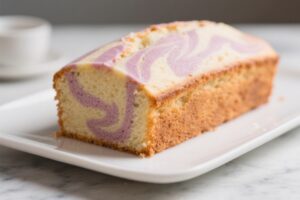
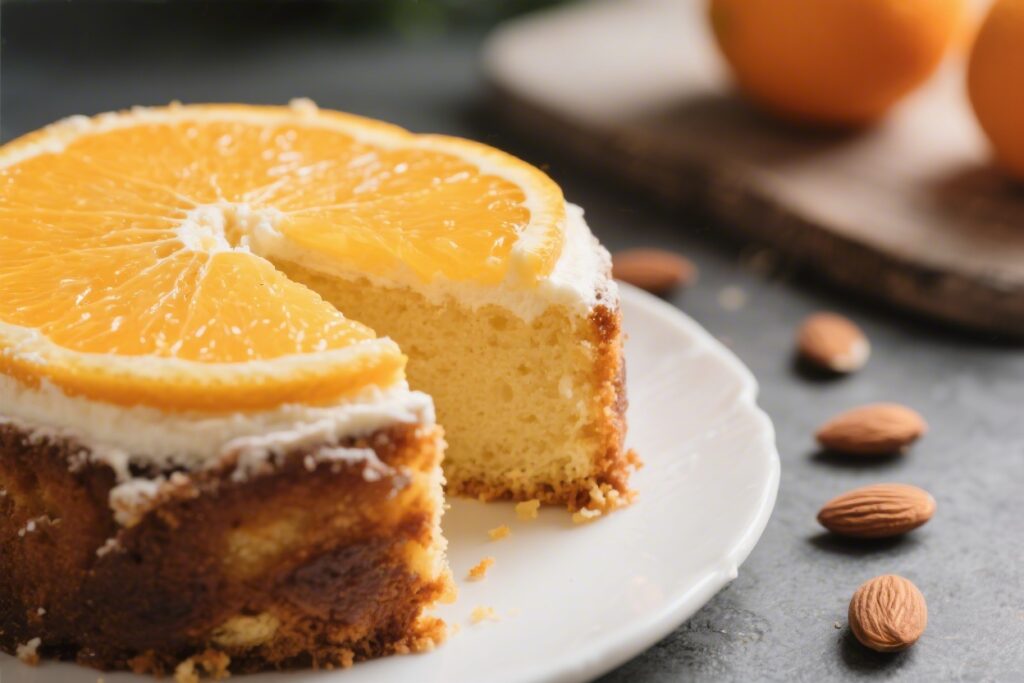
This Orange and Almond Cake is a sunny, fragrant bake that tastes like a slice of winter sunshine. It’s tender, moist, and packed with citrus flavor from whole oranges. Almond meal gives it a rich, delicate crumb without any wheat flour, making it naturally gluten-free.
You don’t need fancy skills—just simple steps and a bit of patience while the oranges simmer. Serve it plain, with a dusting of sugar, or under a glossy glaze. Either way, it’s a crowd-pleaser that feels special but stays simple.
Why This Recipe Works
This cake uses whole oranges—peel and all—so you get deep citrus flavor without bitterness, thanks to a gentle simmer that softens the peel.
Ground almonds replace flour, giving the cake a moist, tender texture that keeps well for days. The batter comes together in a blender or food processor, so it’s low-effort and hard to mess up. A balanced amount of sugar and eggs keeps it light and fragrant instead of dense.
It’s the kind of bake that looks rustic but tastes refined.
Ingredients
- Oranges: 2 medium, preferably seedless (navel or Cara Cara work well)
- Eggs: 5 large
- Almond meal/almond flour: 2 1/2 cups (about 250 g), blanched or unblanched
- Sugar: 1 cup (200 g) granulated
- Baking powder: 2 teaspoons
- Salt: 1/4 teaspoon
- Vanilla extract: 1 teaspoon (optional, but lovely)
- Orange zest: From 1 additional orange (optional for extra aroma)
- Butter or oil: For greasing the pan
- Powdered sugar: For dusting (optional)
- Flaked almonds: A small handful for topping (optional)
- Glaze (optional): 1 cup powdered sugar + 2–3 tablespoons orange juice
Instructions
- Prep the pan and oven. Heat the oven to 350°F (175°C). Grease a 9-inch (23 cm) springform pan and line the base with parchment. If using flaked almonds, lightly toast them in the warming oven for 5 minutes and set aside.
- Cook the oranges. Rinse the 2 oranges well.Place them whole in a pot, cover with water, and simmer gently for 45–60 minutes, until very soft. Top up water if needed. Drain and cool until warm, not hot.
- Remove seeds and blitz. Cut the oranges open, flick out any seeds, and check for tough stem ends.Place the whole fruit—peel, pith, and flesh—into a food processor or blender. Blend until mostly smooth. Some tiny peel bits are fine.
- Mix the dry ingredients. In a bowl, whisk almond meal, baking powder, salt, and orange zest (if using).This keeps lumps away and spreads the leavening evenly.
- Make the batter. In a large bowl, whisk eggs, sugar, and vanilla until lightly thick and pale, about 1–2 minutes by hand. Fold in the orange purée. Add the almond mixture and gently fold until just combined.The batter will be loose but creamy.
- Fill the pan. Pour the batter into the prepared pan. Tap the pan once to release air bubbles. If using, scatter flaked almonds on top for crunch.
- Bake. Bake for 45–55 minutes, until the top is golden and a skewer comes out mostly clean with a few moist crumbs.If the top browns too fast, tent with foil for the last 10 minutes.
- Cool properly. Let the cake rest in the pan for 15 minutes, then release the springform ring. Cool on a rack until just warm or room temperature. The crumb sets as it cools, so resist cutting too early.
- Finish and serve. Dust with powdered sugar, or whisk the glaze and drizzle over the cooled cake.Slice and serve as is, or with Greek yogurt or crème fraîche.
Keeping It Fresh
This cake stays moist for days because of the almonds and orange purée. Keep it at room temperature, well-wrapped or in an airtight container, for up to 3 days. For longer storage, wrap slices tightly and refrigerate for up to 5 days, or freeze for up to 2 months.
Thaw at room temperature and refresh with a quick warm-up in a low oven if you like a softer crumb.
Why This is Good for You
- Almonds bring healthy fats and protein, which help keep you full and support steady energy.
- Whole oranges offer fiber and vitamin C, since you’re using the peel and pulp, not just the juice.
- Gluten-free by nature, so it’s a friendly option for those avoiding wheat.
- Moderate sweetness, with the option to scale sugar down slightly if your oranges are very sweet.
It’s still a treat, of course, but one with more substance than a typical sponge cake.
Common Mistakes to Avoid
- Skipping the orange simmer: Raw peel is bitter and tough. Simmering softens the peel and mellows the pith.
- Overmixing after adding almonds: Fold gently to keep the crumb tender.
- Undercooking: A dense, gummy center means it needed more time. Check with a skewer near the center and give it an extra 5–10 minutes if needed.
- Cutting while hot: The cake will crumble.Let it settle so it slices cleanly.
- Using too much baking powder: More isn’t better; it can create a soapy taste and sunken middle. Stick to the measured amount.
Variations You Can Try
- Orange and Cardamom: Add 1 teaspoon ground cardamom to the dry mix for a gentle floral note.
- Chocolate Swirl: Fold in 1/2 cup mini dark chocolate chips or drizzle melted dark chocolate on top once cooled.
- Lemon-Orange Twist: Replace one orange with a large lemon for a sharper citrus edge.
- Olive Oil Upgrade: Whisk 2 tablespoons good olive oil into the batter for a more luxurious crumb and subtle fruitiness.
- Polenta Crunch: Swap 1/3 cup almond meal for fine polenta or cornmeal for a pleasantly nubbly texture.
- Honey Glaze: Warm 2 tablespoons honey with 1 tablespoon orange juice and brush over the hot cake for shine and aroma.
FAQ
Can I make this cake without a food processor?
Yes. Finely chop the cooked oranges, then mash them with a fork or potato masher until pulpy.
It won’t be as perfectly smooth, but it still bakes beautifully.
Is almond meal the same as almond flour?
They’re similar and both work. Almond flour is usually finer and made from blanched almonds, while almond meal can be a bit coarser and may include skins. Either yields a moist cake, though the texture with meal may be slightly more rustic.
Can I reduce the sugar?
Yes.
You can reduce sugar to 3/4 cup if your oranges are sweet or you prefer a less sweet cake. Expect a slightly denser crumb and a more pronounced citrus tang.
How do I prevent the top from over-browning?
Check at the 35–40 minute mark. If it’s already deeply golden but still wobbly in the middle, tent the cake loosely with foil and continue baking until set.
What if my oranges are very bitter?
Use seedless navel oranges and consider changing the simmering water halfway through.
This extra step draws out more bitterness from the pith.
Can I make this dairy-free?
Yes. The recipe itself contains no dairy unless you butter the pan or add yogurt for serving. Grease the pan with oil and you’re set.
Does it work as cupcakes?
It does.
Fill lined muffin tins about two-thirds full and bake at the same temperature for 18–24 minutes. Look for a golden top and a clean skewer.
How do I know it’s done in the center?
The edges will set first. Insert a skewer near the center; it should come out with a few moist crumbs, not wet batter.
The top should spring back gently to the touch.
Can I use mandarin or clementine oranges?
Yes. Use 3–4, depending on size. They’re thinner-skinned and sweeter, so reduce sugar slightly if desired and simmer for less time—about 25–30 minutes.
What can I serve with it?
It pairs well with Greek yogurt, whipped cream, or a spoon of crème fraîche.
For something lighter, add a handful of fresh berries.
In Conclusion
Orange and Almond Cake is simple, vibrant, and deeply aromatic. Whole oranges bring big flavor with minimal fuss, and almond meal keeps it moist for days. It’s the kind of reliable recipe you’ll bake on repeat, whether for a cozy afternoon or a dinner party dessert.
Keep it classic, or play with the variations to make it your own. Either way, expect empty plates and recipe requests.