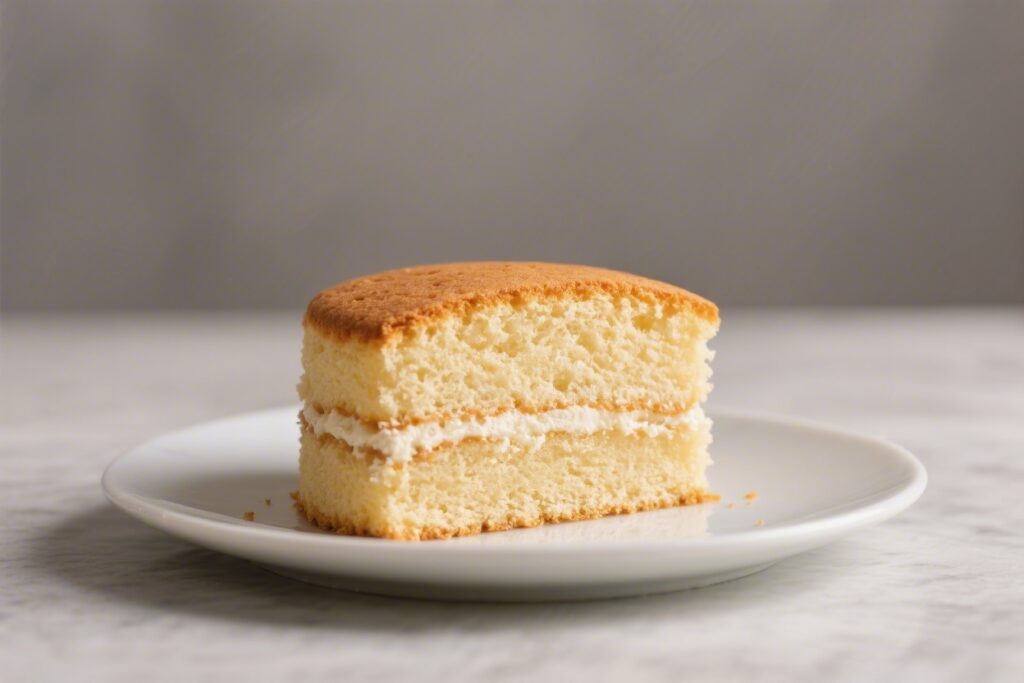
A Victoria sponge cake is one of those bakes that feels special without trying too hard. Two soft, buttery layers sandwich a ribbon of jam and a cloud of cream, and every slice looks inviting. It’s simple, familiar, and perfect for afternoon tea or a relaxed celebration.
You don’t need fancy techniques or equipment, just a few good ingredients and a bit of care. If you’ve never made one, this is the perfect place to start.
What Makes This Special
The magic of a Victoria sponge lies in its balance. The cake layers are light yet tender, sweet but not cloying.
Instead of heavy frosting, you get a clean hit of fruit from the jam and gentle richness from whipped cream or buttercream. It’s a cake you can serve to anyone, any time of year. Plus, it looks lovely with only a dusting of sugar—no elaborate decoration needed.
Ingredients
- For the cake:
- 200 g (1 cup minus 2 tbsp) unsalted butter, softened
- 200 g (1 cup) caster sugar (or superfine sugar)
- 4 large eggs, at room temperature
- 200 g (about 1 2/3 cups) self-raising flour, sifted
- 1 tsp baking powder
- 2 tbsp milk (whole milk preferred)
- 1 tsp vanilla extract (optional but nice)
- For the filling:
- 150–200 g (about 1/2–3/4 cup) good-quality strawberry or raspberry jam
- 200 ml (3/4 cup plus 1 tbsp) double cream or heavy cream, chilled
- 1–2 tbsp icing sugar (powdered sugar), plus extra for dusting
- 1/2 tsp vanilla extract (optional)
- To finish:
- Icing sugar for dusting
Instructions
- Prep your tins and oven. Heat the oven to 180°C/160°C fan (350°F).Grease and line two 20 cm (8-inch) round cake tins with baking paper. This helps the sponges release cleanly.
- Cream butter and sugar. In a large bowl, beat the softened butter and caster sugar together until pale and fluffy, about 3–4 minutes with a hand mixer. This step adds air and helps create a light crumb.
- Add the eggs. Beat in the eggs one at a time, mixing well after each.If the mixture looks a bit curdled, add a spoonful of the flour to bring it back together.
- Fold in dry ingredients. Sift the self-raising flour and baking powder over the bowl. Add the vanilla, if using. Gently fold with a spatula until just combined.Don’t overmix or the cake may turn dense.
- Adjust the batter. Stir in the milk to loosen the batter to a soft dropping consistency. It should fall from the spoon easily but not be runny.
- Divide and level. Split the batter evenly between the two tins. Smooth the tops with the back of a spoon, nudging the batter slightly toward the edges for an even rise.
- Bake. Place the tins on the middle shelf and bake for 20–25 minutes.The cakes are done when golden, springy to the touch, and a skewer comes out clean.
- Cool completely. Let the cakes rest in the tins for 5–10 minutes, then turn out onto a wire rack. Peel off the paper and cool fully before filling. Warm sponges will melt the cream.
- Whip the cream. In a cold bowl, whip the double cream with 1–2 tbsp icing sugar and vanilla until soft peaks form.Don’t overwhip; it should be smooth and billowy.
- Assemble. Place one sponge, top-side down, on a serving plate. Spread an even layer of jam over it, then spoon the whipped cream on top. Gently place the second sponge on top, top-side up.
- Finish and serve. Dust with icing sugar just before serving.Slice with a sharp, serrated knife to keep the layers neat.
How to Store
- Short term: Keep the assembled cake in an airtight container in the fridge for up to 2 days. Bring to room temperature for 20–30 minutes before serving for the best texture.
- Make ahead: Bake the sponges a day ahead, cool, and wrap tightly. Store at room temperature.Assemble with jam and cream on the day you plan to serve.
- Freezing: Freeze unfrosted sponges (well-wrapped) for up to 2 months. Thaw at room temperature in the wrapping, then fill. Avoid freezing the assembled cake, as cream can weep after thawing.
Benefits of This Recipe
- Simple pantry ingredients: Butter, sugar, eggs, and flour do most of the work.No special flavors required.
- Quick to bake: Each layer bakes in around 20–25 minutes, making it realistic for a weekday treat or last-minute dessert.
- Light yet satisfying: The sponge is airy, and the filling is fresh, so it never feels heavy.
- Easy to customize: Switch jams, add fresh berries, or use buttercream if you prefer.
Pitfalls to Watch Out For
- Overmixing the batter: Once the flour goes in, fold gently. Overworking the gluten can make the cake tough.
- Cold ingredients: Butter and eggs should be at room temperature for a smooth, well-aerated batter.
- Uneven layers: Weigh your batter into the tins or eyeball carefully. Uneven layers can bake at different speeds.
- Dry sponge: Overbaking by even a few minutes can dry the cake.Start checking at 18–20 minutes.
- Overwhipped cream: Stop at soft peaks. Grainy or stiff cream won’t spread nicely and can split.
Variations You Can Try
- Buttercream filling: Swap the whipped cream for vanilla buttercream if you need the cake to stand out longer at room temperature.
- Lemon twist: Add 1–2 tsp finely grated lemon zest to the batter and use lemon curd with the cream.
- Fresh berries: Scatter sliced strawberries or raspberries over the jam layer for extra fruitiness. Keep the pieces small so the layers sit neatly.
- Almond accent: Fold 2–3 tbsp finely ground almonds into the flour for a subtle nutty note.You may need a touch more milk to loosen.
- Jam swap: Try apricot or blackberry jam. Just pick a quality jam with a bright, natural flavor.
FAQ
Can I use plain flour instead of self-raising flour?
Yes. Use the same amount of plain (all-purpose) flour and add 2 tsp baking powder per 200 g (about 1 2/3 cups) of flour.
Still include the extra 1 tsp baking powder listed for lift, or reduce slightly if your baking powder is very fresh.
What if I only have one cake tin?
Bake the batter in two rounds, keeping the unused half covered at room temperature while the first layer bakes and cools in the tin for a few minutes. Wash, reline, and bake the second layer. Try not to let the batter sit longer than 25–30 minutes.
Is the vanilla essential?
No, but it adds warmth.
A classic Victoria sponge can be made without it and still taste lovely. If skipping vanilla, focus on a flavorful jam to shine through.
How do I get a flat, even top?
Smooth the batter to the edges so the center isn’t domed, and bake on the middle rack. If you still get a slight dome, you can trim gently with a serrated knife once cooled.
Don’t press the cake while warm—it can collapse.
Can I make it dairy-free?
Use a good-quality dairy-free butter substitute and a plant-based cream for the filling, or use jam alone. Check your margarine has at least 70% fat for a proper crumb.
Why did my cake sink in the middle?
This can happen if the oven door was opened too early, the batter was undermixed, or the baking powder was old. Make sure your leavening is fresh and avoid opening the door for the first 18 minutes.
What’s the best jam to use?
A good strawberry or raspberry jam with a bright, fruity taste is classic.
Seedless raspberry gives a smooth bite, while a chunky strawberry jam adds texture. Avoid overly sweet or gelatinous jams.
Can I skip the cream and just use jam?
Absolutely. A jam-only filling is very traditional and makes the cake easier to store at room temperature for a short time.
The result is lighter and a bit cleaner in flavor.
In Conclusion
A Victoria sponge cake proves that simple baking can be deeply satisfying. With a soft crumb, fresh jam, and a whisper of cream, it’s the sort of cake people go back for. Keep your ingredients at room temperature, avoid overmixing, and watch the bake time for a tender result.
Whether you serve it for tea or a birthday, this classic never feels out of place.